Rotating Flash Dryer: Define the Pigment Trial Shutdown Boundary Before Residue Accounting
By QUANPIN
A pigment trial needs a defined end boundary before retained material is added to a recovery account. Identify what the shutdown and residue records actually represent. A spin flash dryer trial must connect feed dispersion with the required pigment application.
This review concerns the XSG trial evidence and supplier-defined procedures; it does not prescribe a shutdown sequence for an installed drying system. See the matching chemical industry applications.
Which Events Define the End of the Pigment Account?
Record the event used to end the trial’s feed and collection account. Assess retained material only through approved safe access and accounting procedures.
Keep measured residue, estimated residue and unexplained material distinguishable rather than forcing a preliminary balance to close.
Equipment Principle and Material Requirements
The rotating flash dryer disperses suitable wet feed in heated process air and collects the resulting powder through its specified recovery arrangement.
Stopping feed, ending collection and gaining safe access can be different events within the actual operating procedure.
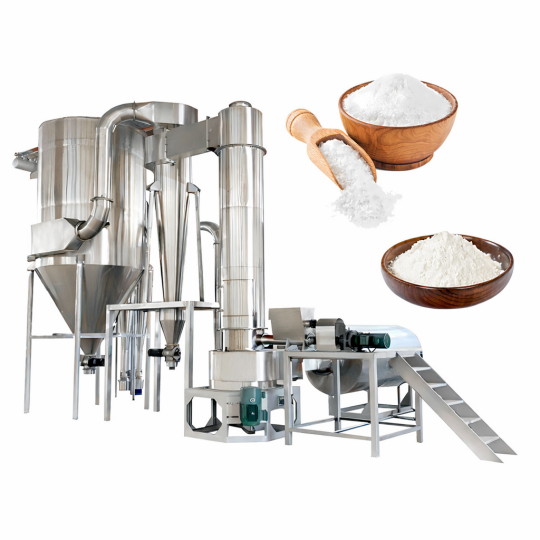
Five Steps for the Application Study
Define the pigment account
Identify the pigment feed and the material-accounting boundary for the trial.
Review approved operating records
Agree the end-of-trial records within the supplier’s approved operating instructions.
Record stopping events
Record actual feed, collection and relevant stopping events.
Assess residue safely
Inspect or account for retained material only when authorized safe access is established.
Review recovery and limitations
Review recovery and pigment-quality evidence with any unresolved material clearly identified.
Four Process Boundaries to Record
The feed boundary identifies the material assigned to the trial.
The collection boundary states which recovered fractions belong to its account.
The stopping boundary records the defined events used to end that account.
The residue boundary identifies retained material assessed through the approved procedure.
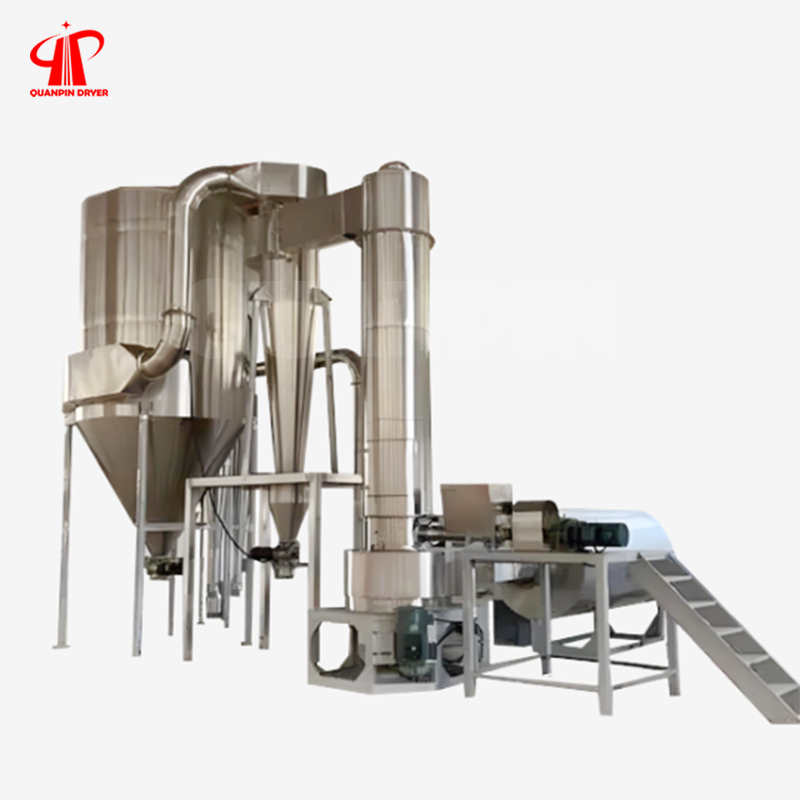
Rotating Flash Dryer Components and Interfaces
Feed and dispersion
Confirm the feed and dispersion configuration from the actual equipment documents. Compare spin flash dryer price quotations on the same feed preparation, recovery and installation boundary.
Drying and process air
Identify the drying and process-air scope included in the trial. Do not treat this wet-cake trial as evidence for every slurry drying duty; feed form and delivery must match.
Powder separation
Describe the powder-separation and collection arrangement.
Operating and isolation records
Review the supplied operating and isolation instructions for the actual installation.
Residue accounting
Keep retained-material locations and accounting methods identifiable where assessed.
Pigment acceptance samples
Preserve sample, laboratory and recovery records associated with the same trial.
Comparison Choices and Process Interfaces
Define the Reference Basis
Establish a reference account with explicit feed and collection boundaries. The powder drying result must include the intended coating, ink or polymer preparation method.
Retain the relevant stopping-event records rather than an approximate overall end time.
Keep the analytical basis used for incoming material and recovered fractions.
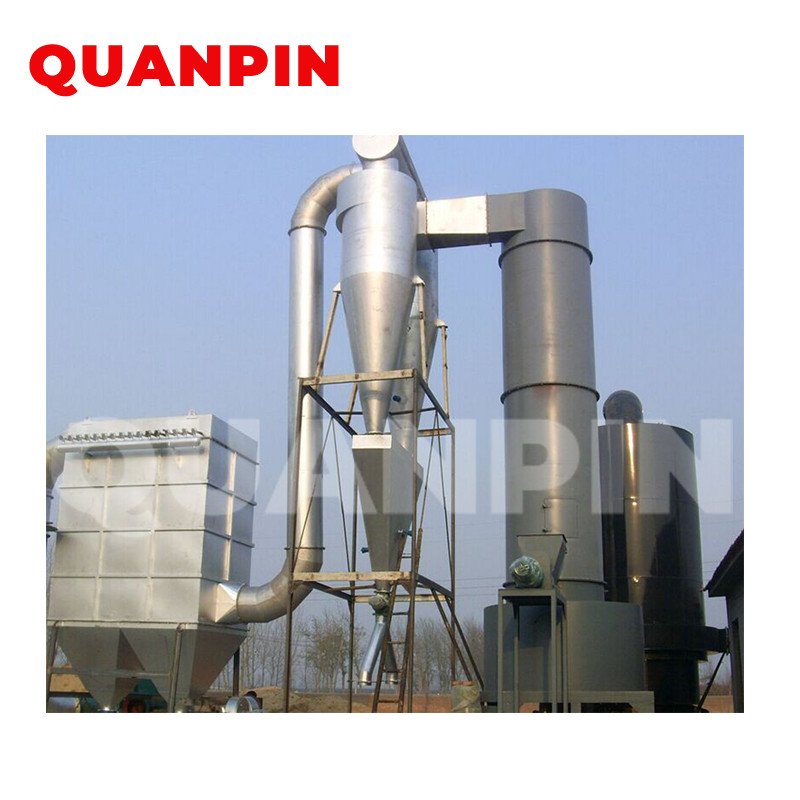
Keep the Comparison Interpretable
When the trial arrangement changes, review whether the accounting end boundary also changes.
Do not assume all later collected material or all retained material belongs to the same trial without supporting identity.
Explain estimates and unaccounted material as limitations rather than measured accepted product.
Assess the Receiving Process
Assess pigment fractions against the actual product requirements. For chemical powder drying, a low moisture result and a satisfactory application result are separate acceptance questions.
Keep proposed rework and residue disposition separate from the original accepted-product result.
Use unresolved findings to define further sampling, accounting or engineering review.
Industry Application and Acceptance
Chemical pigment applications need material identity and hazard information appropriate to the actual feed. Review the actual material hazard information before defining the pigment duty. See HSE safety data sheets.
Product acceptance should include the attributes required for the intended receiving process. Keep chemical classification, labels and material safety information appropriate to the actual pigment. See HSE chemical classification resources.
Recovery accounting does not establish emissions compliance or workplace extraction performance. Identify potentially applicable site requirements independently from powder-quality acceptance. See EPA chemical-production emissions resources.
Site requirements and safe stopping arrangements need assessment for the actual installed system.
Benefits and Practical Limits
A defined stopping boundary can make retained-material evidence easier to interpret. Compare Industrial drying equipment using the same prepared feed and finished-product test.
It cannot establish a guaranteed recovery or justify unsafe access to hot, moving or otherwise hazardous equipment.
Six Details That Affect the Result
Record the end of feed separately from other relevant operating events.
Identify which collections are assigned to the trial account.
State the method used for any residue quantity or estimate.
Keep the moisture or solids basis explicit when quantities are compared.
Preserve uncertain material identity instead of assigning it by convenience.
Report accepted product separately from unassessed residue or proposed rework. Workplace extraction needs its own design and assessment. See HSE local exhaust ventilation resources.
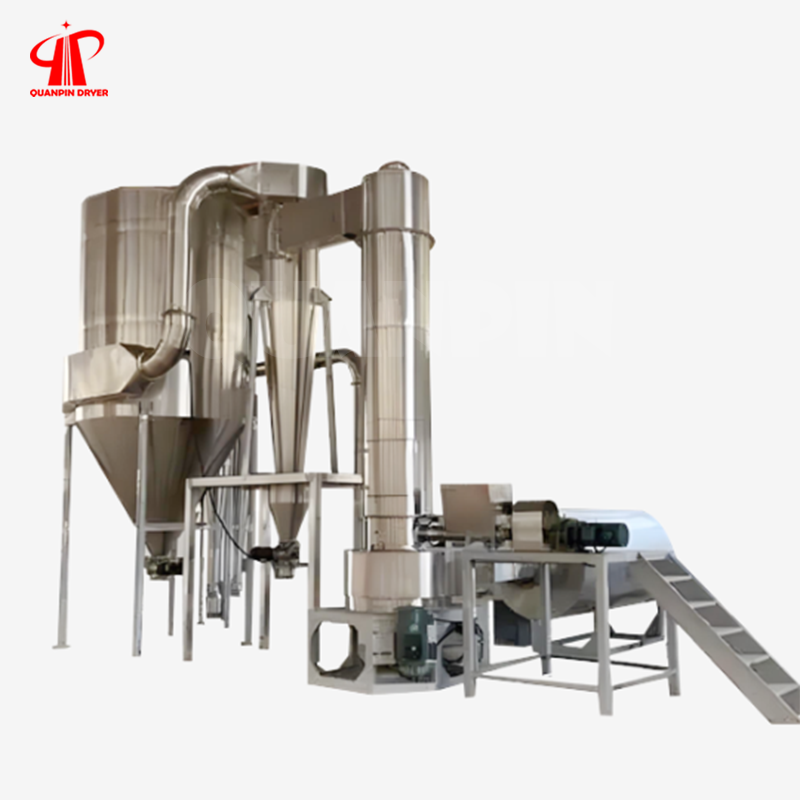
Safety and Operating Requirements
Follow the supplier’s actual operating, shutdown and isolation instructions for the installed system.
Residue access requires confirmed safe conditions and material-specific exposure controls; this guide supplies no substitute sequence. Assess relevant combustible-dust hazards using the actual pigment and process. See HSE dangerous substances and combustible dust guidance.
Prepare Your Equipment Enquiry
Provide QUANPIN with the pigment duty, proposed trial boundary and required product evidence. Ask a Spin Flash Dryer Manufacturer to document the demonstrated material range, not just nominal throughput.
Include the accounting and access questions that need review within the actual equipment and site scope. A spin flash dryer supplier enquiry should include the pigment recipe test, collection boundary and real utility constraints.
Frequently Asked Questions
Are stopping feed and safe access the same event?
Feed stopping, collection ending and safe equipment access should not be assumed to be the same event.
Can an estimate be presented as measured residue?
A residue estimate must remain distinguishable from a measured quantity.
Does later collection need material identity?
Later collected material needs supported identity before it is assigned to a trial.
Is retained material automatically accepted product?
Retained material is not automatically accepted product or approved rework.
Does a recovery account replace site assessments?
A recovery account does not replace the installation’s operating or environmental assessments.
What end-of-trial information should be supplied?
A useful enquiry states the trial boundary and follows the supplier’s confirmed operating procedures.
Discuss Your Rotating Flash Dryer Application with QUANPIN
Discuss your application with Rotating Flash Dryer specialists at QUANPIN. Use the enquiry below or our contact page.
Email sales@quanpinmachine.com or stacie@quanpinmachine.com. Call +86 19850785582, or contact us on WhatsApp: +86 15921493205.