KZL Granulator-Crusher: Keep Sizing-Screen Identification Traceable Across Pharmaceutical Batches
By QUANPIN
A pharmaceutical sizing result should remain traceable to the screen actually fitted. Establish screen identification and issue records before a KZL granulator-crusher campaign. The High-Speed Granulator/Crusher duty must distinguish lump breakup from primary particle grinding.
The focus is component identity and configuration history, rather than assuming that a nominal screen description proves the correct part was installed. See the matching pharmaceutical industry applications.
Which Physical Screen Produced the Batch?
Connect the fitted screen identifier with the batch, equipment configuration and inspection record.
If a screen is removed, exchanged or returned to storage, preserve that event in the component history used for the next setup. Use product-specific development knowledge to justify the attributes being examined. See FDA ICH Q8 pharmaceutical development.
Equipment Principle and Material Requirements
The KZL reduces or sizes suitable material through its specified rotating working assembly and screen arrangement. Treat granulation and size reduction as different material transformations when defining the process route.
The screen is part of the documented processing configuration, so component substitutions should remain visible in the batch evidence.
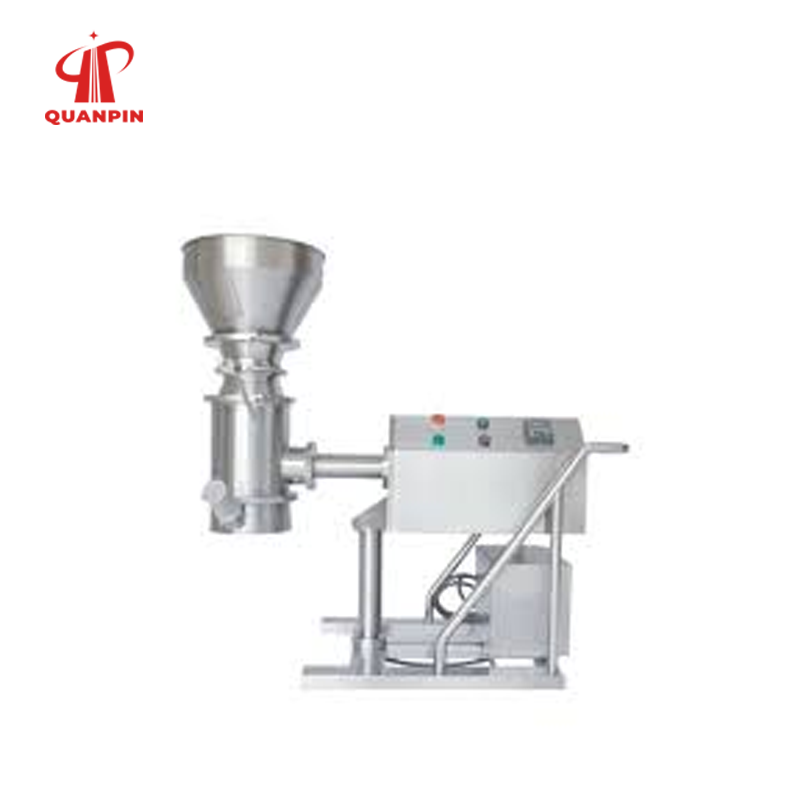
Five Steps for the Application Study
Identify available screens
Identify the screens available for the intended pharmaceutical sizing duty.
Define component selection
Define how the correct screen is selected and associated with the batch setup.
Record the fitted part
Record the fitted identifier and relevant inspection before operation.
Preserve exchange history
Document any exchange and link it to the affected operating and collection period.
Review configuration and results
Review product results against the actual configuration history before concluding that a process change was effective.
Four Process Boundaries to Record
The component boundary identifies the physical screen and its documented specification.
The setup boundary connects that component with the equipment and batch being processed.
The event boundary records removal, exchange and return to controlled storage.
The acceptance boundary links the product evidence to the configuration that produced it.
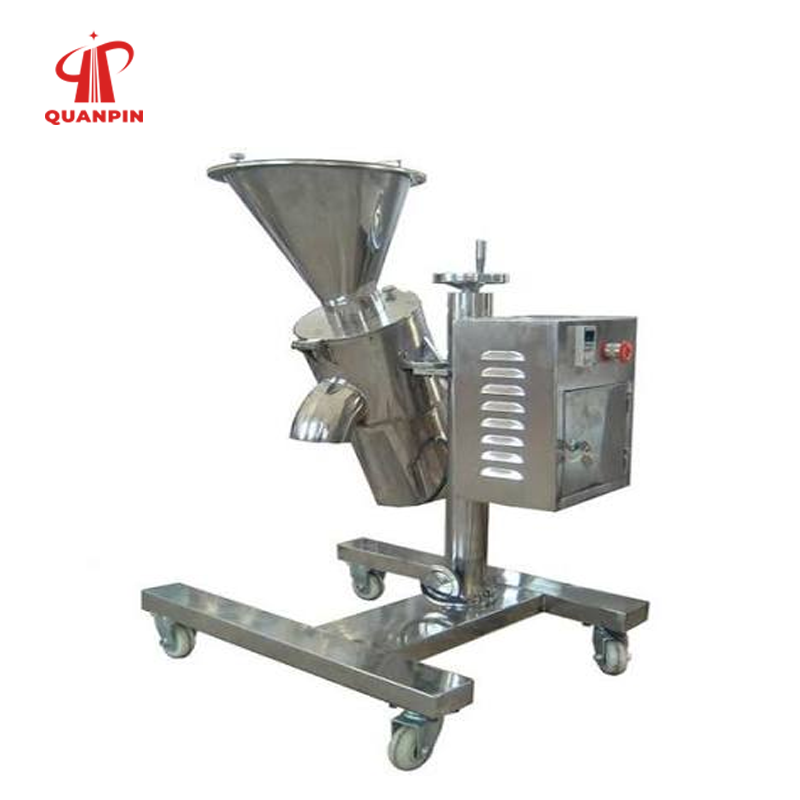
KZL Granulator-Crusher Components and Interfaces
Screen installation
Confirm the machine’s screen arrangement and safe replacement instructions. Compare the proposed granulation equipment by the actual feed and final distribution it must handle.
Working assembly
Identify the working assembly associated with the fitted screen configuration.
Feed and discharge interfaces
Review the feed and discharge interfaces included in the sizing duty.
Screen identification
Keep screen identification and condition evidence available to the setup review.
Storage and cleaning
Describe storage and cleaning responsibilities for screens that are reused.
Configuration and sample records
Preserve operating and sample identities when the screen configuration changes during a study.
Comparison Choices and Process Interfaces
Define the Reference Basis
Establish a reference setup with the fitted screen unambiguously identified. Upstream granule drying history can change the strength of the material entering sizing.
Retain its specification and relevant condition record alongside the product results.
Avoid relying on a photograph alone where the actual component cannot be distinguished.
Keep the Comparison Interpretable
When another screen is used, record the exchange before comparing the output.
Document accompanying material or operating changes so the study is not presented as a screen-only comparison.
Unresolved identification should be investigated through the approved procedure rather than filled in from memory.
Assess the Receiving Process
Assess the delivered granules using the required analytical methods and collection boundary. Subsequent granule blending needs a stated particle basis so different fractions are not hidden during pooling.
Retain separate identities for output produced under different fitted configurations.
Use the complete setup history when deciding whether further sizing trials are needed.
Industry Application and Acceptance
Pharmaceutical batches require records appropriate to the actual product and quality system.
Component identification supports traceability, while product acceptance still depends on the required testing and review. A development comparison should not be presented as complete validation of an untested production process. See FDA process validation guidance.
The procedure should address reuse and changeover without assuming the same campaign rules suit every formulation.
A screen record does not itself establish process validation or a particular granule distribution.
Benefits and Practical Limits
Traceable screen identity makes it easier to investigate a configuration difference between batches. Keep dry blending acceptance separate from the quality of the material leaving the sizing chamber.
It does not replace inspection, suitable cleaning or analytical assessment of the sized material. Assess relevant quality risks using the actual material and process context. See FDA ICH Q9 quality risk management.
Six Details That Affect the Result
Use a component identifier that can be connected to the documented screen specification.
Record the actual fitted part rather than only the screen intended in the production instruction.
Preserve exchange events with enough timing information to identify affected output.
Link cleaning and inspection records where they form part of the component release procedure. Interpret measurements through process understanding rather than treating an isolated instrument reading as product acceptance. See FDA process analytical technology framework.
Document damaged or unidentifiable parts through the approved equipment-control process.
Keep the original setup evidence available when the batch result is reviewed later.
Safety and Operating Requirements
Screen access and replacement require the approved isolation and safe maintenance procedures.
Handling and cleaning controls should suit the pharmaceutical residues and the actual screen construction.
Prepare Your Equipment Enquiry
Send QUANPIN the sizing duty, desired screen specifications and intended component-handling arrangement. The receiving powder mixer and its transfer path can introduce a later handling change.
Include any identification, documentation or changeover requirements that must be supported by the supplied equipment. Place the sizing duty explicitly within the granulation line for solid dosage form, with clear input and output acceptance. Retain knowledge and manage adopted process changes through the pharmaceutical quality system. See FDA ICH Q10 pharmaceutical quality system.
Frequently Asked Questions
Does a nominal screen description identify the physical part?
A nominal screen description does not by itself prove which physical part was fitted.
Can a photograph replace an unambiguous identifier?
A photograph can support a record but should not substitute for an unambiguous identifier when parts look alike.
Can output from different setups be combined without identification?
Output from different screen configurations should remain distinguishable during a development comparison.
Does component traceability establish granule distribution?
Component traceability does not establish the final granule distribution without product testing.
How should unresolved screen identity be handled?
Unresolved screen identity requires investigation rather than an assumed retrospective entry.
What screen information does QUANPIN need?
QUANPIN can review documentation and configuration needs when the actual sizing application is defined.
Discuss Your KZL Granulator-Crusher Application with QUANPIN
Discuss your application with KZL Granulator-Crusher specialists at QUANPIN. Use the enquiry below or our contact page.
Email sales@quanpinmachine.com or stacie@quanpinmachine.com. Call +86 19850785582, or contact us on WhatsApp: +86 15921493205.