
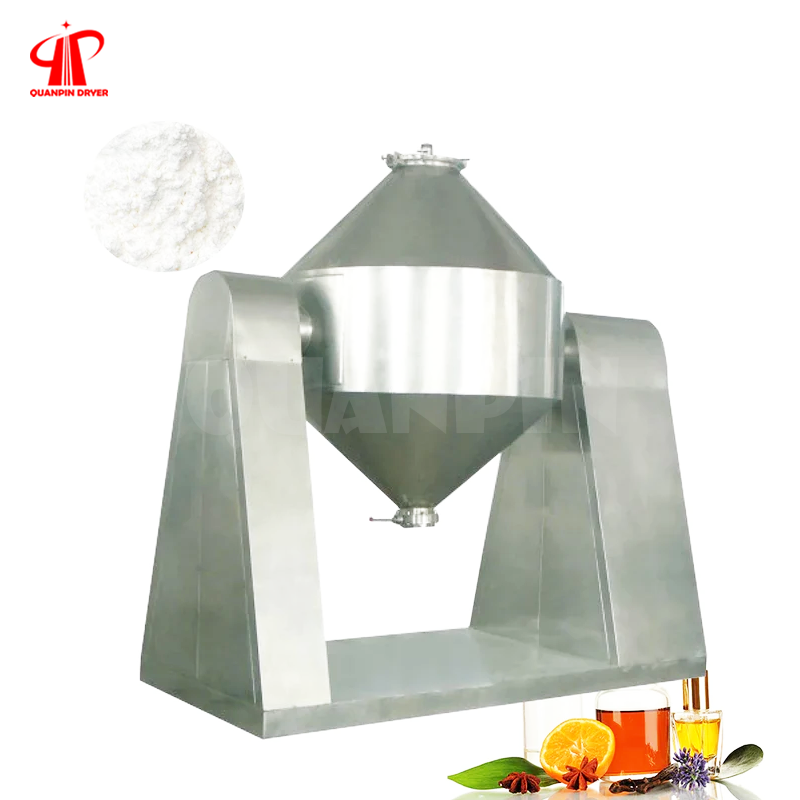
SZG Double Cone Rotary Vacuum Dryer for Pharmaceutical and Chemical Processing
For material-specific evaluation, review temperature exposure checks for heat-sensitive materials and how double cone and vacuum paddle dryers move a drying charge. Review the double cone rotary vacuum dryer for the actual pharmaceutical vacuum drying duty, including the temperature limits relevant to low-temperature vacuum drying and the discharge behaviour of the double cone vacuum dryer.
A double cone rotary vacuum dryer tumbles suitable powders or granules in a jacketed vessel under reduced pressure. Specify this double cone vacuum dryer around batch loading, material behavior, final moisture and cleaning access. Compare rotary vacuum drying equipment with a stationary vacuum tray dryer when choosing how the material will be handled. Send your batch and utility requirements so QUANPIN can define the vessel, heating and vacuum system scope.
Rotating double-cone vessel for batch drying
Indirect heating through the vessel jacket
Vacuum system matched to the process
Product-contact material selected for the application
Loading, discharge and cleaning access
Operating controls specified for your production
Double Cone Rotary Vacuum Dryer
A double cone rotary vacuum dryer combines vessel rotation with indirect heating and reduced-pressure operation. Material tumbles as the vessel rotates, bringing it into contact with the heated surface. The vacuum system removes vapor released during drying.
The equipment is selected for the material and batch duty. Initial moisture, final moisture, temperature limits, bulk density and handling behavior are important inputs when assessing suitability.
Features of the Rotary Vacuum Dryer
• Double-cone vessel arranged for loading and discharge.
• Rotating action redistributes material during the batch.
• Jacket heating supplies heat through the vessel wall.
• Reduced pressure supports moisture removal at lower boiling temperatures.
• Vacuum and condensation equipment are selected together.
• Product-contact surfaces and seals suit the specified material.
• Access and cleaning requirements are included in equipment planning.
• Final capacity and operating conditions are defined in the technical proposal.
Working Principle
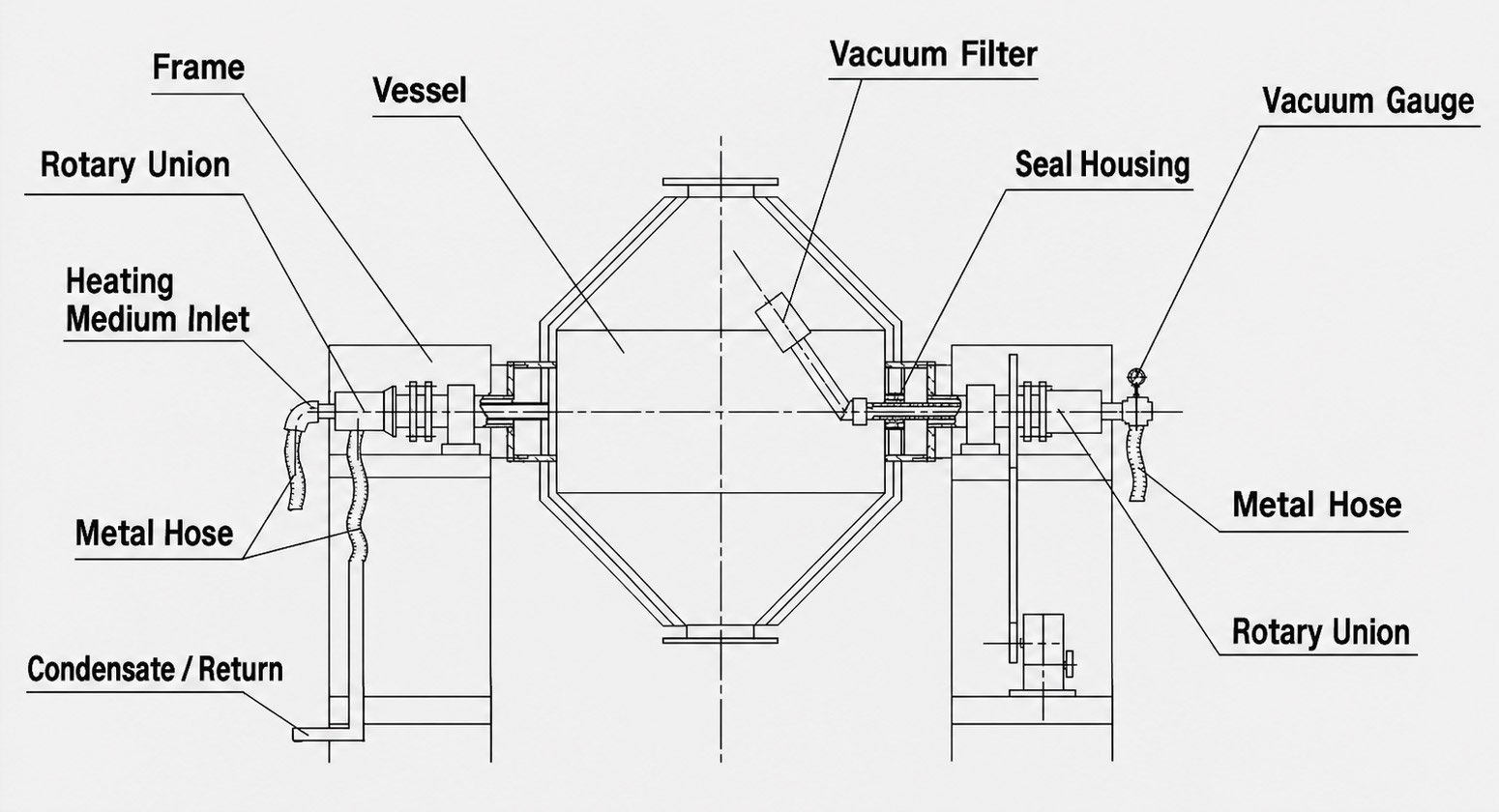
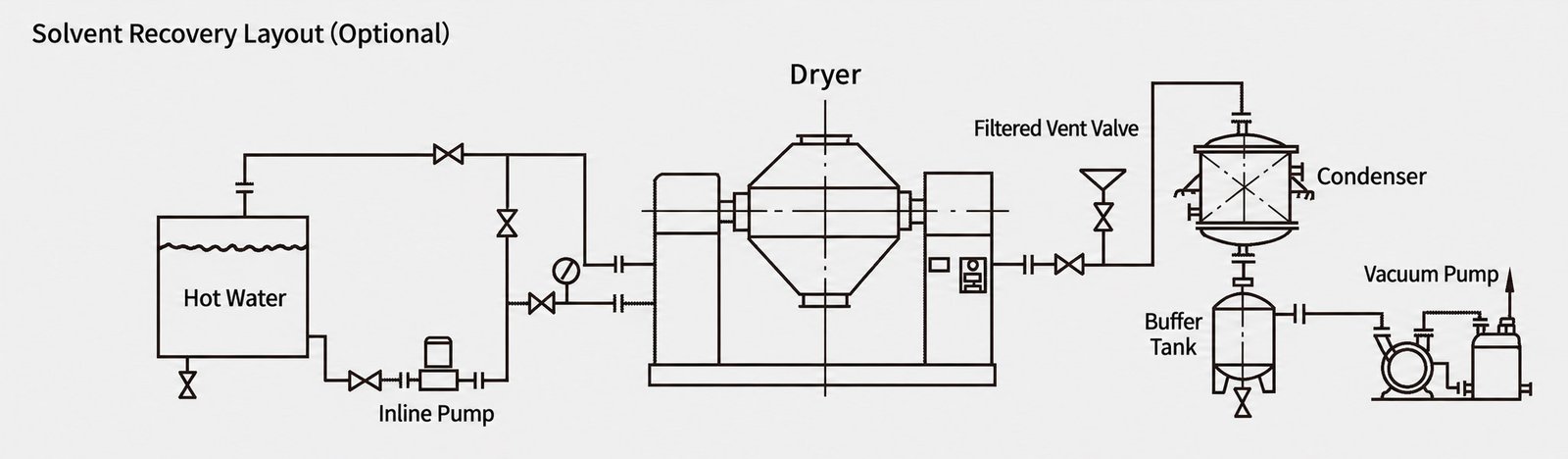
Material is charged into the rotating double-cone vessel. Heat passes through the jacket while the vessel tumbles and mixes the material under vacuum; evaporated moisture or solvent is withdrawn and, where provided, condensed and recovered.
Key Features
- Designed for vacuum drying in a rotating double-cone vessel with indirect heating.
- The double cone rotary vacuum dryer equipment and control configuration are selected according to the material and process requirements.

Suitable Materials
- Powders, granules and other materials suitable for tumbling vacuum drying.
- Material suitability should be confirmed through review of physical properties, moisture or solvent content, temperature sensitivity and the required final product condition.
Wide Range of Applications
Applicable to the concentration, mixing, and drying of powdery, granular, and fibrous materials in industries such as chemicals, pharmaceuticals, and food, as well as materials requiring low-temperature drying (such as biological products). Double cone rotary vacuum dryer is especially suitable for drying materials that are easily oxidized, volatile, heat-sensitive, highly irritating, or toxic, as well as materials whose crystal structure must not be damaged.
Double Cone Rotary Vacuum Dryer Technical Parameters
| Item | Unit | SZG100 | SZG200 | SZG350 | SZG500 | SZG750 | SZG1000 | SZG2000 | SZG3000 | SZG4000 | SZG5000 | SZG6000 | SZG8000 | SZG10000 |
|---|---|---|---|---|---|---|---|---|---|---|---|---|---|---|
| Total Volume | L | 100 | 200 | 350 | 500 | 750 | 1000 | 2000 | 3000 | 4000 | 5000 | 6000 | 8000 | 10000 |
| Working Volume | L | 50 | 100 | 175 | 250 | 375 | 500 | 1000 | 1500 | 2000 | 2500 | 3000 | 4000 | 5000 |
| Heating Area | m² | 1.16 | 1.5 | 2 | 2.63 | 3.5 | 4.61 | 7.5 | 10.2 | 12.1 | 14.1 | 15.9 | 17.6 | 19.1 |
| Rotational Speed | rpm | 6 | 6 | 6 | 6 | 6 | 6 | 5 | 4 | 4 | 4 | 4 | 4 | 4 |
| Power | kW | 0.75 | 1.1 | 1.5 | 2 | 3 | 3 | 4 | 5.5 | 7.5 | 7.5 | 11 | 15 | 15 |
| Rotational Height | mm | 1810 | 1910 | 2090 | 2500 | 2665 | 2915 | 3055 | 3530 | 3800 | 4180 | 4300 | 4600 | 4900 |
| Machine Weight | kg | 825 | 1050 | 1350 | 1800 | 2070 | 2250 | 3000 | 4500 | 5350 | 6000 | 7600 | 9800 | 12000 |
| Vessel Design Pressure | MPa | −0.09 to −0.096 | −0.09 to −0.096 | −0.09 to −0.096 | −0.09 to −0.096 | −0.09 to −0.096 | −0.09 to −0.096 | −0.09 to −0.096 | −0.09 to −0.096 | −0.09 to −0.096 | −0.09 to −0.096 | −0.09 to −0.096 | −0.09 to −0.096 | −0.09 to −0.096 |
| Jacket Design Pressure | MPa | 0.3 | 0.3 | 0.3 | 0.3 | 0.3 | 0.3 | 0.3 | 0.3 | 0.3 | 0.3 | 0.3 | 0.3 | 0.3 |
Product Advantages
- Double-cone rotation gently tumbles and mixes suitable powders and granules.
- Vacuum operation supports low-temperature drying of heat-sensitive materials.
- Jacket heating transfers heat indirectly to the product.
- Tumbling renews product contact with the heated vessel wall.
- Combines batch mixing and drying in the same vessel.
- Solvent recovery is supported when a suitable condenser and receiver are provided.
- Conical vessel geometry helps guide dried material toward the discharge outlet.
Double Cone Rotary Vacuum Dryer — Equipment View 2
A rotating double-cone vessel for suitable powders and granules.
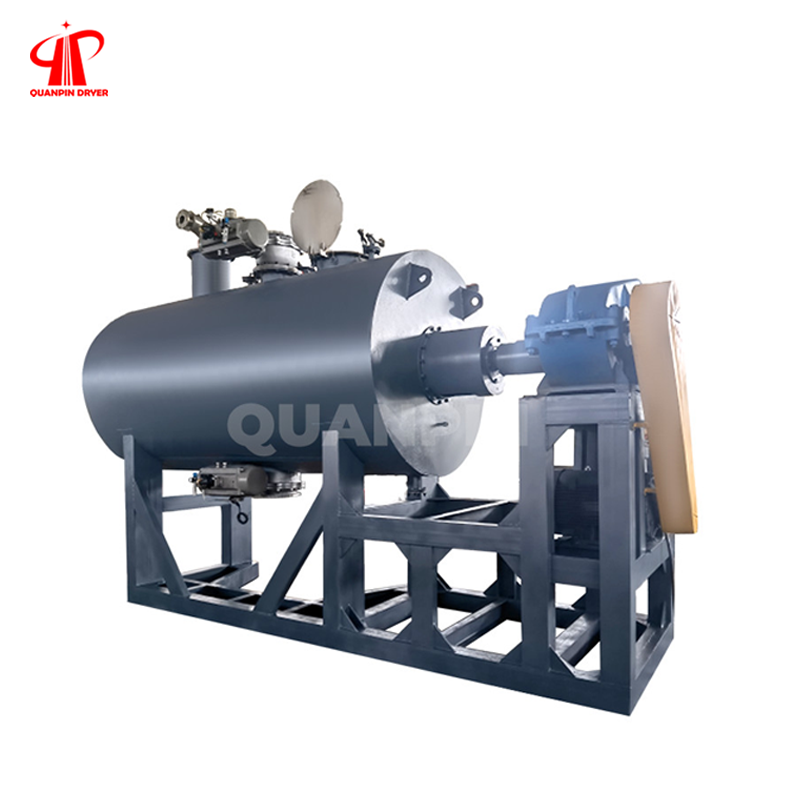
Rake Vacuum Dryer
Agitated vacuum equipment for suitable wet solids and pastes.
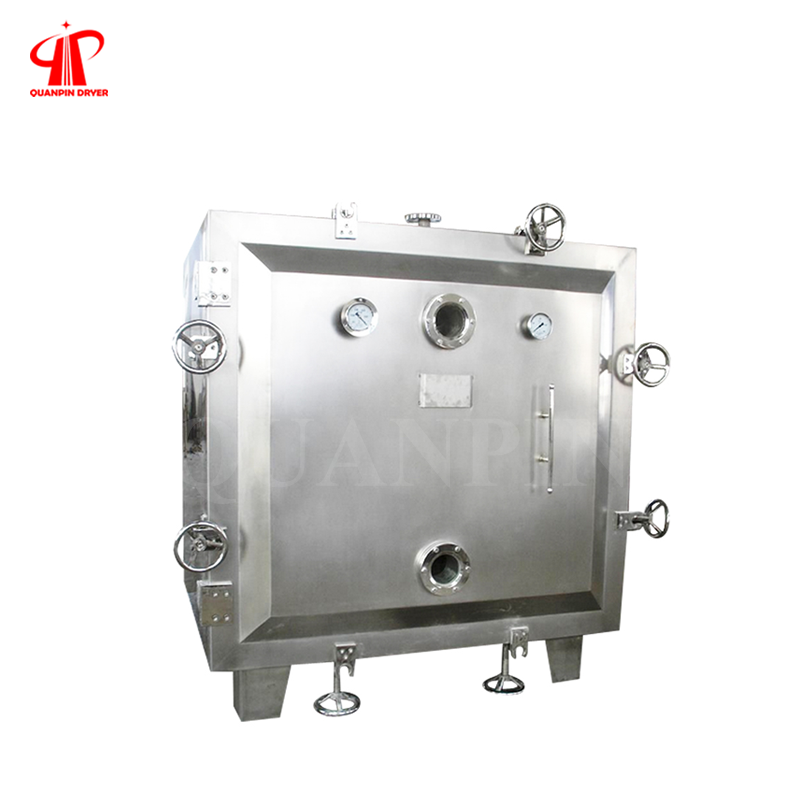
Square Vacuum Dryer
Batch drying in a stationary vacuum chamber.
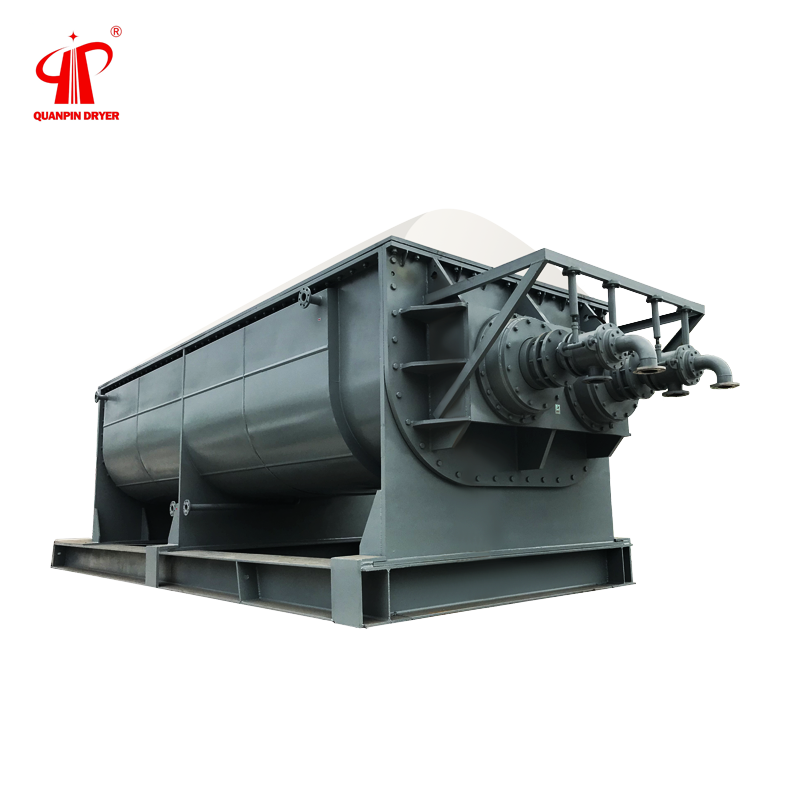
Hollow Paddle Dryer
Indirect drying with heated surfaces and material agitation.
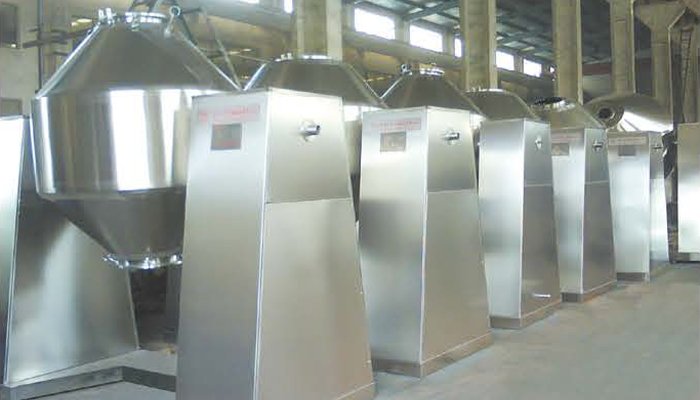
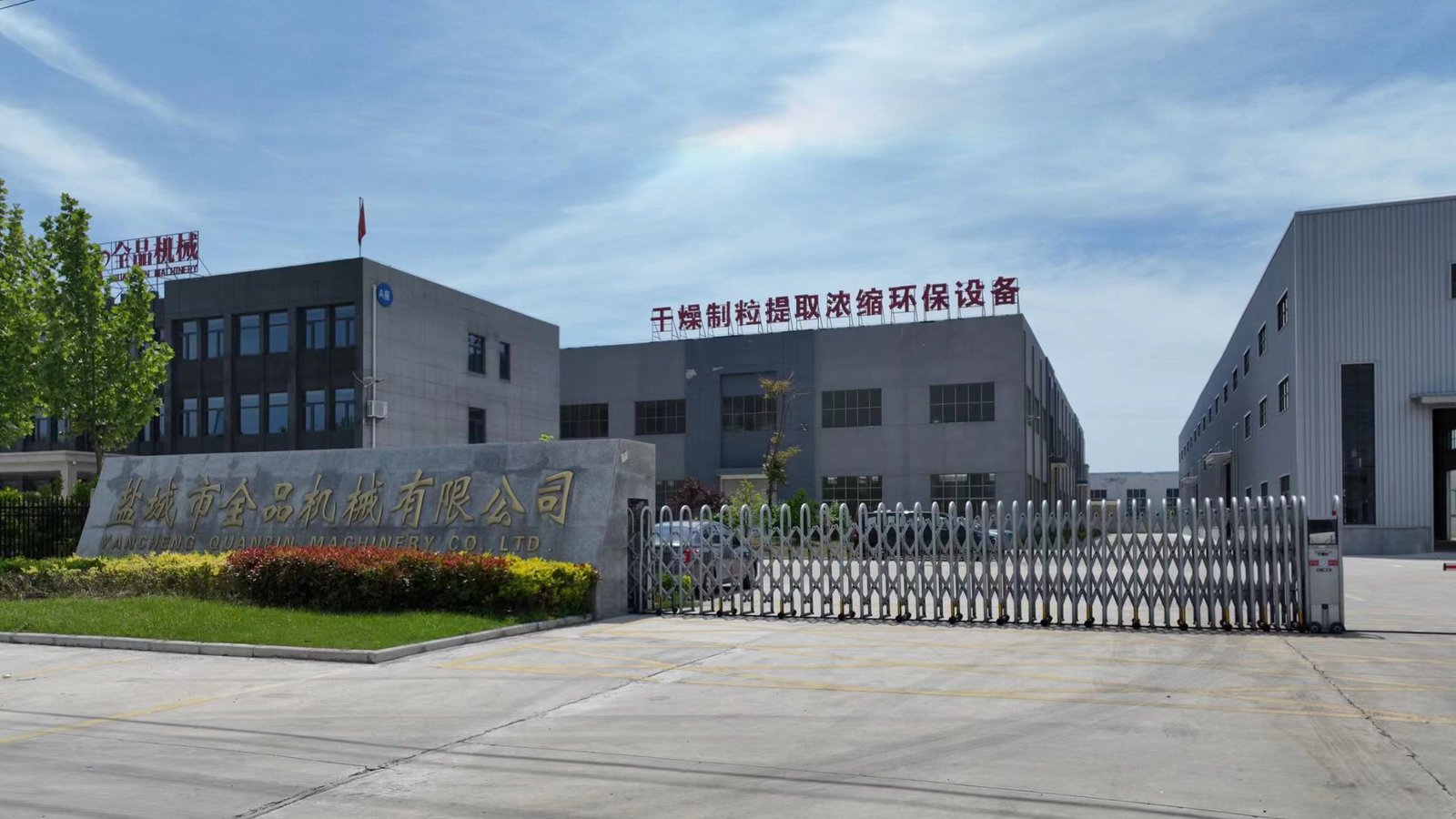
Our Factory
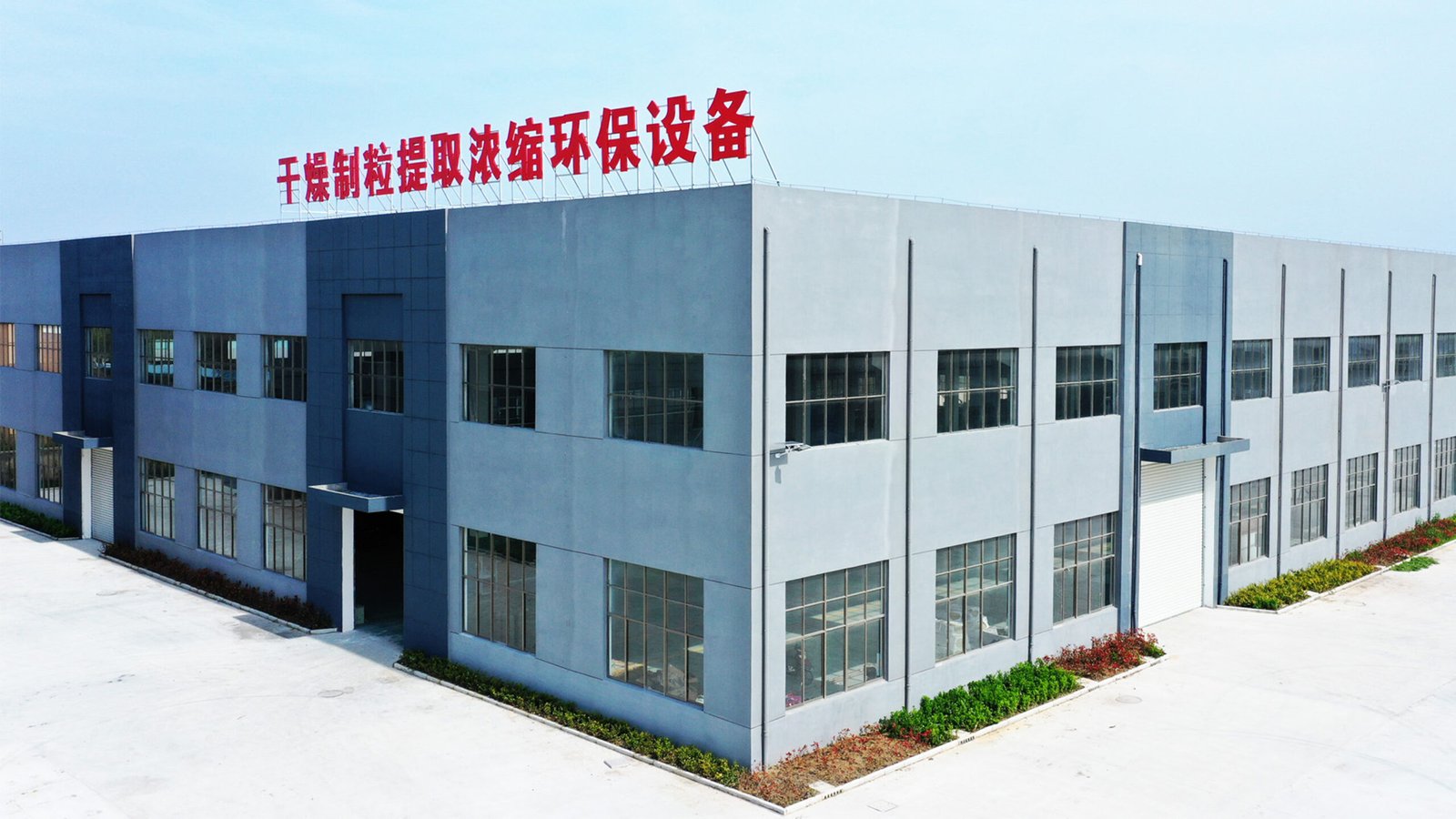
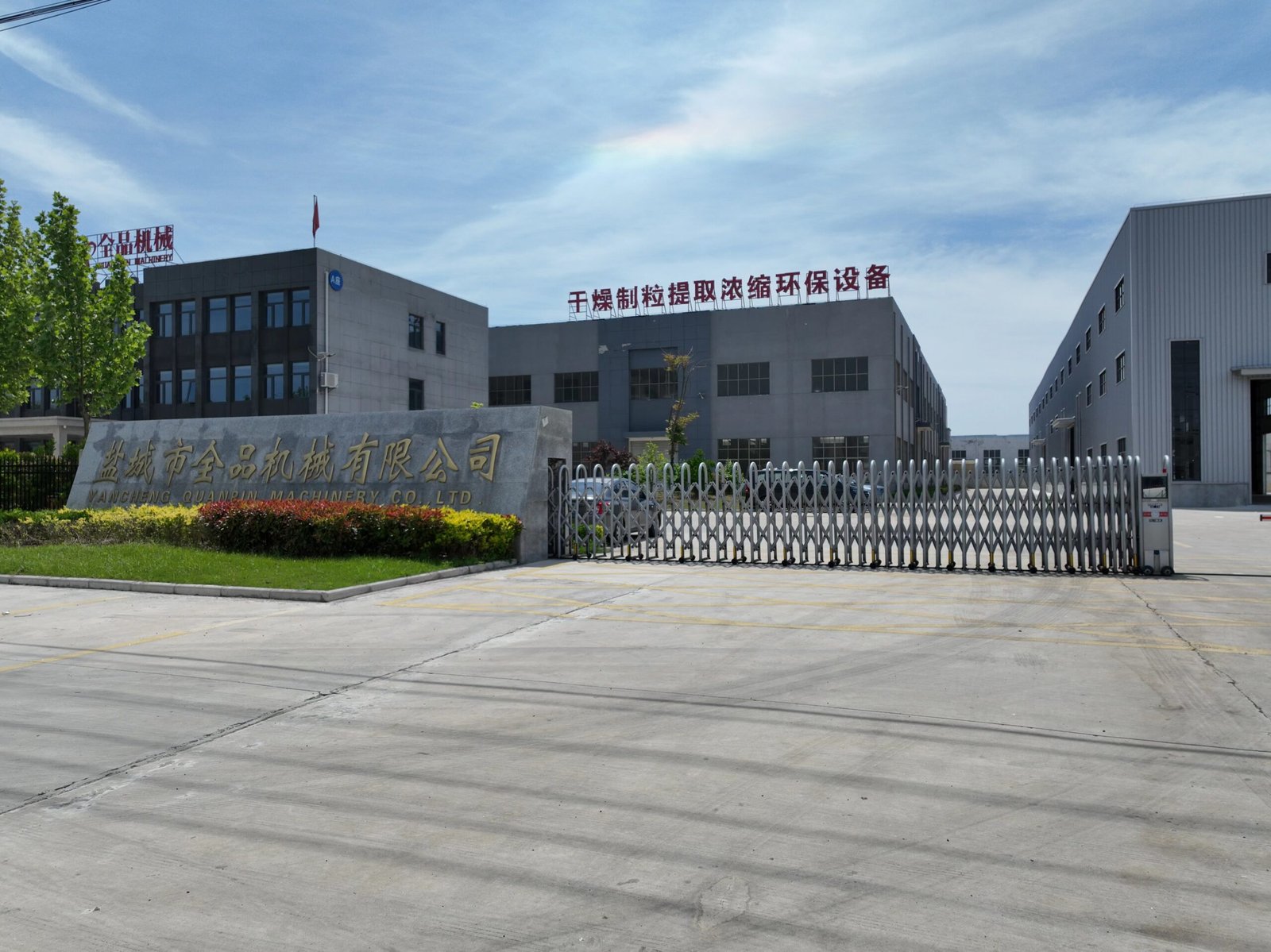
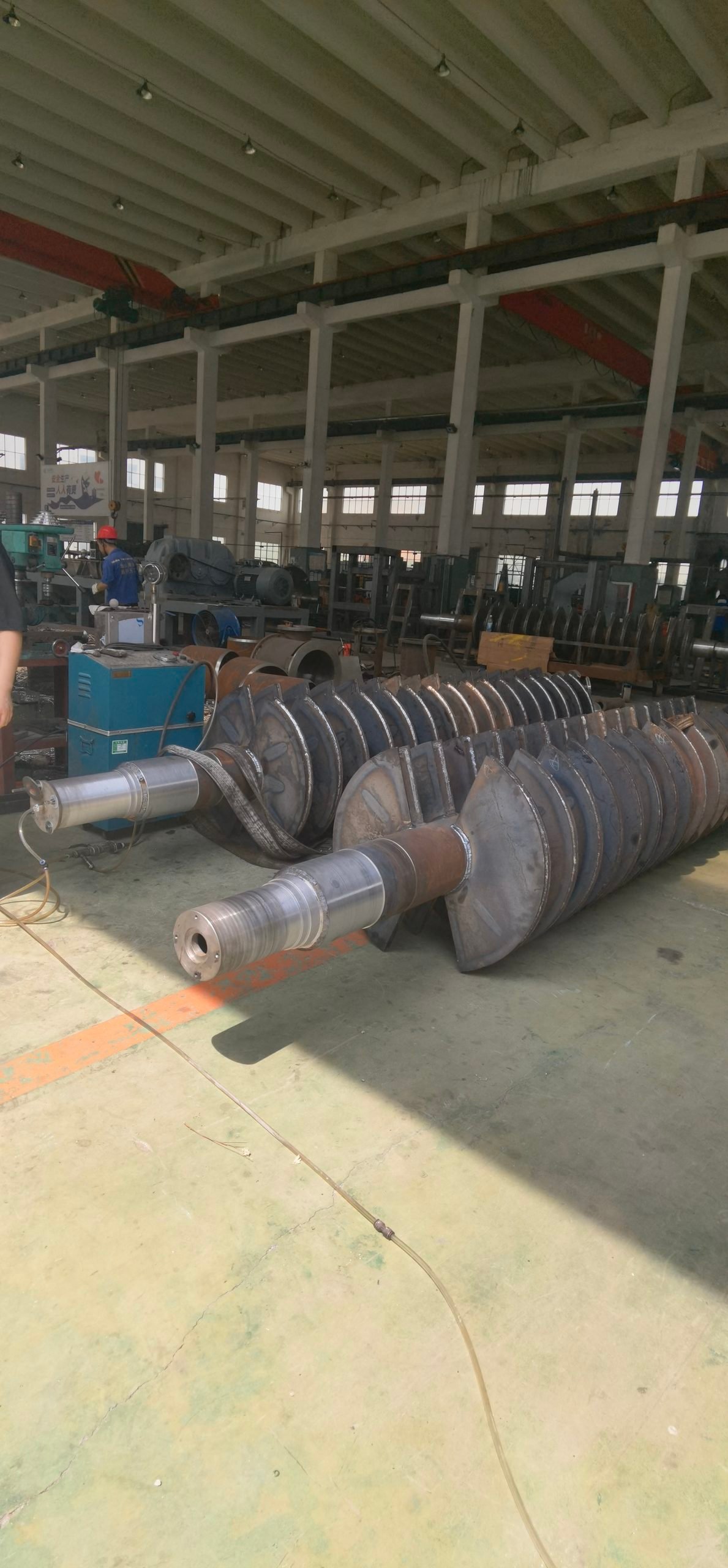
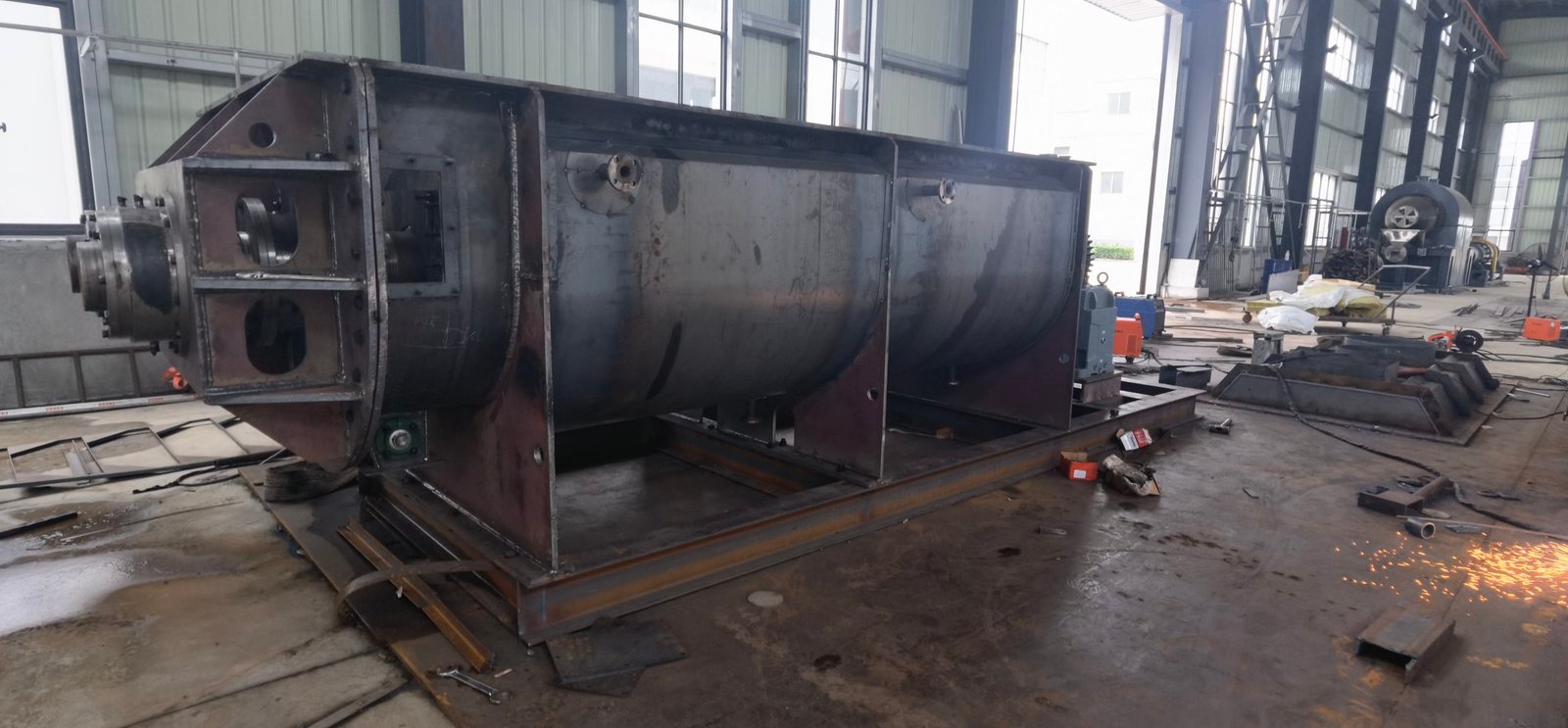
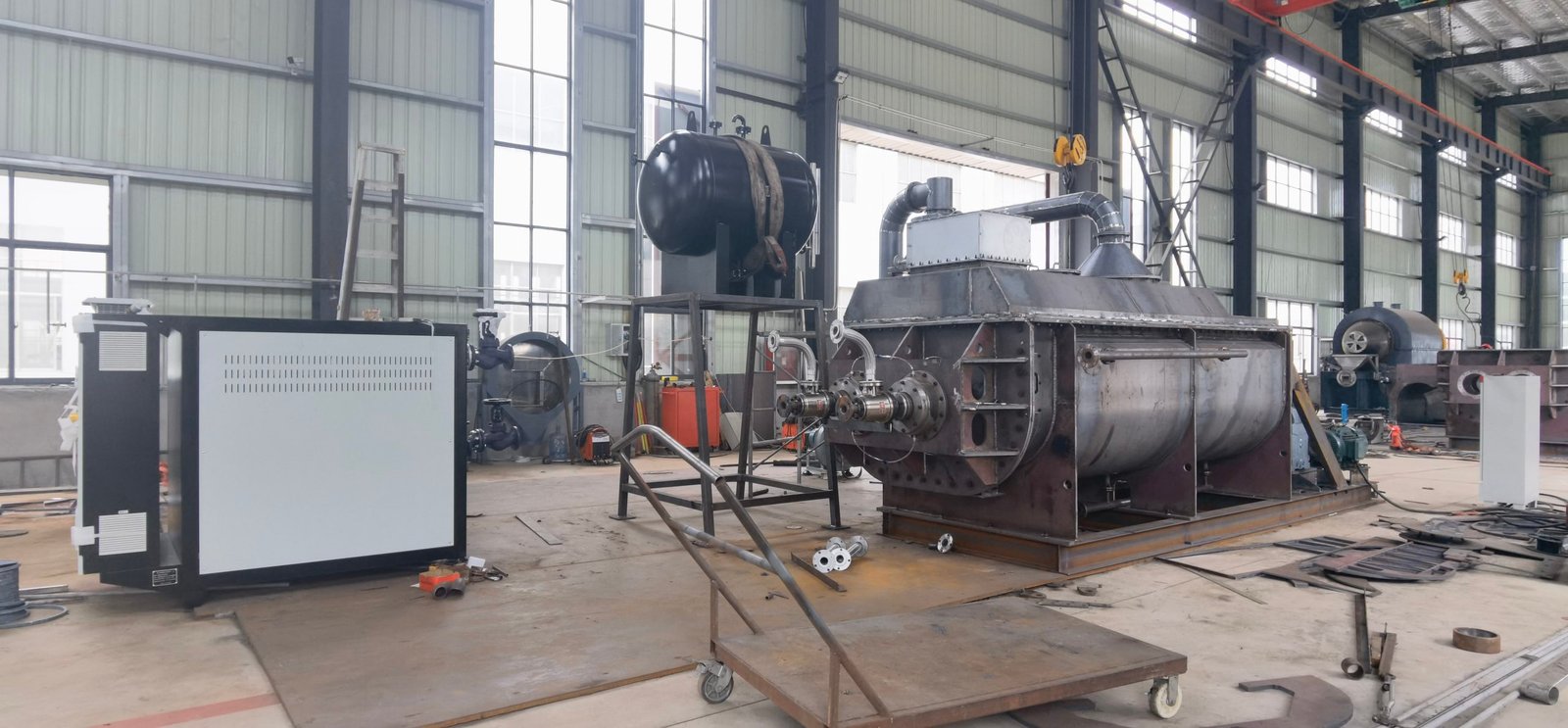
Technical Parameters
| Parameter | Project information |
| Material | Composition, bulk density and handling characteristics |
| Batch size | Required loading quantity and operating schedule |
| Moisture | Initial and target final moisture |
| Temperature | Product temperature limit and available heat source |
| Vacuum | Required process conditions and vapor load |
| Construction | Contact material, seal and cleaning requirements |
The final values are specified for your material and equipment configuration.
What is a Rotary Vacuum Dryer?
A rotary vacuum dryer removes moisture from a batch held in a rotating vessel under reduced pressure. Heat enters through the vessel wall while the vacuum system removes vapor. Selection depends on whether the material can tumble and dry effectively in the chosen vessel.
Types of Rotary Vacuum Dryers
Vessel geometry and material movement differ between drying systems. The choice should follow the material properties, loading requirements and desired discharge behavior.
Horizontal Rotary Vacuum Dryer
Horizontal equipment can use different vessel or agitation arrangements. Confirm the actual mechanism and its suitability for the feed when comparing proposals.
Double Cone Rotary Vacuum Dryer — Equipment View 3
The vessel rotates to redistribute a batch of suitable material. Its conical geometry supports loading and discharge, while a jacket transfers heat through the vessel wall.
Rotary Vacuum Dryer Working Principle
After loading and sealing, the vacuum system reduces vessel pressure. The heating medium circulates through the jacket, and rotation redistributes material. Vapor leaves the vessel through the vacuum connection. The batch is cooled and the vacuum released before discharge according to the operating procedure.
Key Parts of a Rotary Vacuum Dryer
The vessel, drive, heating connections and vacuum equipment operate together. The equipment layout should provide the required maintenance and cleaning access.
Vessel
The vessel contains the batch and transfers heat through its heated surface. Its usable loading volume depends on the material and process.
Drive and Rotation
The drive rotates the vessel at the selected operating speed. Rotation must be considered together with fill level and material behavior.
Vacuum System
The vacuum system removes vapor and maintains the specified process pressure. Its selection depends on the vapor load and material characteristics.
Heating System
The heating arrangement supplies energy through the jacket. Available utilities and the product temperature limit inform its selection.
Condenser
Where required, a condenser collects condensable vapor before the vacuum equipment. The cooling supply and expected vapor composition are part of the design review.
Advantages
Rotary vacuum drying can be useful where reduced-pressure, indirect batch drying suits the product. Results depend on the material and operating conditions.
Product Integrity
Lower-pressure operation can support drying at reduced boiling temperatures. Confirm the material’s thermal limits and quality requirements before selection.
Drying Time
Batch duration depends on loading, moisture removal, heat transfer and material behavior. Representative trials provide a firmer basis than a generic drying-time claim.
Oxidation Control
A sealed process can limit exposure during drying. Any atmosphere-control requirements must be specified for the particular material.
Batch Processing
Batch operation supports a defined charge and discharge sequence. Include loading, cooling and cleaning time in production planning.
Applications
Potential applications include suitable pharmaceutical, chemical and food materials. Material testing and project review establish whether the process is appropriate.
Pharmaceutical Industry
Specify product-contact surfaces, cleaning and documentation requirements.
Chemical Industry
Provide material compatibility and vapor information alongside the drying target.
Food Industry
Review ingredient behavior, hygiene requirements and the required final product characteristics.
Send Your Inquiry Now
To request a quote for the SZG Double Cone Rotary Vacuum Dryer, send the powder or granule flow properties, bulk density, batch mass, initial and final moisture, temperature limit and cleaning requirements. Include site space, utilities and installation requirements so QUANPIN can review the equipment scope and discuss a suitable configuration. Material-specific targets should be agreed before model selection.
Application Review: Pharmaceutical and Chemical Processing
Review the actual feed composition, consistency, initial and final moisture, temperature limits and discharge requirements. Define heating, vapour handling, cleaning and collection around the selected material and process.
For pharmaceutical process evaluation, consult FDA process validation guidance.
For an active-ingredient application, review the equipment and documentation topics in FDA Q7A guidance.
For pharmaceutical cleaning requirements, consult the FDA equipment and cleaning questions.
Review the actual powder characteristics using the HSE safe handling of combustible dusts.
Include moving-part access in the installation review using HSE work equipment and guarding guidance.
Start Optimizing Your
Drying Process Today.
Our engineers are ready to assess your material and recommend a reliable, cost-effective drying solution.