
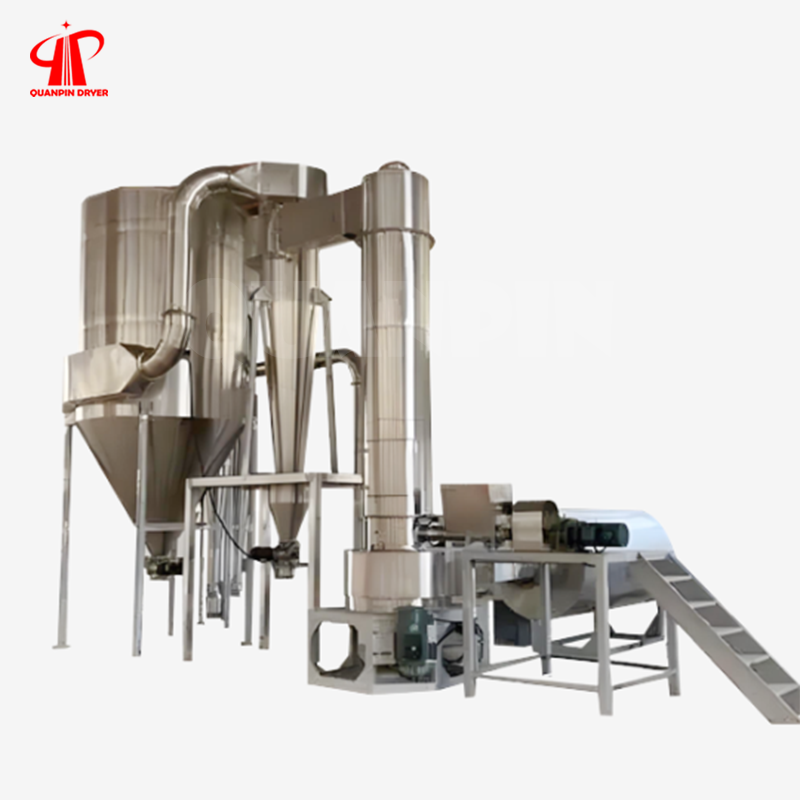
XSG Rotating Flash Dryer for Chemical Powder Processing
A rotating flash dryer combines mechanical dispersion with hot-air contact for suitable wet powders, filter cakes and pastes. Compare its feed and residence-time requirements with a vacuum rake dryer or agitated vacuum dryer when reduced pressure or an enclosed batch process is needed. A pressure spray dryer requires a suitable pumpable feed and a different atomization route. QUANPIN reviews your material, production target and collection requirements before proposing equipment. For a spin flash dryer, review airflow drying performance using representative paste drying or chemical powder drying trials.
Controlled feeding of suitable wet material
Mechanical dispersion in the drying chamber
Hot-air contact for moisture removal
Particle separation and powder collection
Heating and control arrangements for your site
Material testing to support equipment selection
Spin Flash Drying System
Wet feed enters the drying chamber through the selected feeding device. Mechanical agitation breaks up suitable agglomerates and disperses material into the moving hot air. Moisture evaporates as particles travel through the drying zone, and the dried material is separated from the air stream.
Features of the Spin Flash Dryer
• Feed delivery is coordinated with the drying duty.
• Mechanical dispersion helps expose wet material to the process air.
• The drying chamber and separation arrangement are selected together.
• Heating is specified around the available utilities.
• Product-contact materials are chosen for the application.
• Access for cleaning and maintenance is included in the layout.
• Process measurements support operating adjustments.
• Final capacity and operating settings depend on the material.
Materials for Spin Flash Drying
Suitability depends on feed consistency, moisture, particle behavior and temperature limits. Provide a representative sample and the required finished-product properties when discussing filter cakes, pastes or wet powders with QUANPIN.
Technical Parameters
| Model | ID of Main Machine(mm) | Air Amount (m³/h) | Evaporated Moisture(kg) | Max. Equipped Capacity (kw) | Max. Height (m) | Occupied Area (m²) |
|---|---|---|---|---|---|---|
| XSG-2 | 200 | 350-500 | 12-17 | 6~10 | 4 | 15 |
| XSG-4 | 400 | 1150-2000 | 40-70 | 12~20 | 4.8 | 20 |
| XSG-6 | 600 | 2450-4500 | 80-150 | 24~40 | 5.8 | 28 |
| XSG-8 | 800 | 4450-7550 | 150-250 | 38~65 | 6.4 | 35 |
| XSG-10 | 1000 | 7000-12500 | 230-420 | 55~90 | 7.1 | 40 |
| XSG-12 | 1200 | 10000-18000 | 300-600 | 80~135 | 7.8 | 52 |
| XSG-16 | 1600 | 18000-30500 | 600-1000 | 160~270 | 8.5 | 80 |
| XSG-20 | 2000 | 50000-78000 | 1000~1500 | 250~430 | 10.1 | 150 |
Notes:
1.The evaporated amount of moisture is calculated when the temperature of inlet is 180°C and the temperature of outlet is 80°C。
2.Besides the models above mentioned,aplification can also be made as request.
3.Occupied area will be different because of different environment.
Raw Material Drying Data
| Name of raw material | Temperature of air heat (°C) | Primary moisture (%) | Final moisture (%) | Practical dry capacity (kg/h) |
|---|---|---|---|---|
| ZDC Accelerant | 150 | 60 | 0.5 | 80~110 |
| Oil Solve Ink | 150 | 45 | 2 | 350~380 |
| Silicinate Zinc Mararose | 120 | 30 | 1 | 120~150 |
| Pinhealing-yanin Dye | 150 | 55 | 1 | 160~180 |
| Calcium Citrate | 140 | 40 | 1 | 300~350 |
| Superfine Calcium Carbonate | 160 | 70 | 1.5 | 430~470 |
| Kurry Treatment Agent | 200 | 75 | 5 | 290~310 |
| Sodium Isocyanurate Dioxide | 180 | 25 | 0.2~2 | 80~120 |
| Sodium Isocyanurate Trioxide | 150 | 30 | 1 | 90~150 |
| Zinc Shemate | 150 | 80 | 0.5 | 140~160 |
| Aluminum Hydroxide | 180 | 55 | 1.5 | 250~280 |
| Zinc Carbonate | 150 | 80 | 1 | 130~170 |
| Insecticide | 120 | 30 | 1 | 80~110 |
| TMTD | 140 | 65 | 0.5 | 80~120 |
| DSD acid | 150 | 60 | 0.5 | 80~120 |
| Ferric oxide red | 200 | 60 | 0.5 | 300~350 |
| Antimony Dioxide | 180 | 45 | 1 | 280~320 |
| Cuprous Chloride | 200 | 20 | 3 | 290~310 |
| White Carbon Black | 280 | 85 | 5 | 250~300 |
Rotary Spin Flash Drying
Review material dispersion, airflow and collection as one process.
Motor and Drive Selection
Specify the site power supply and the required operating conditions.
Automatic Operation
Discuss feeding, process measurements and the intended control sequence.
Chemical Material Drying
Provide composition and compatibility information for equipment selection.
PLC Control Options
Define the operating interface and monitoring requirements for the project.
Airflow and Heating
Match process air and heating arrangements to the required moisture removal.
Integrated Drying Line
Review upstream feed preparation and downstream powder handling.
Starch Drying Assessment
Review the specific starch feed and required powder characteristics before selection.
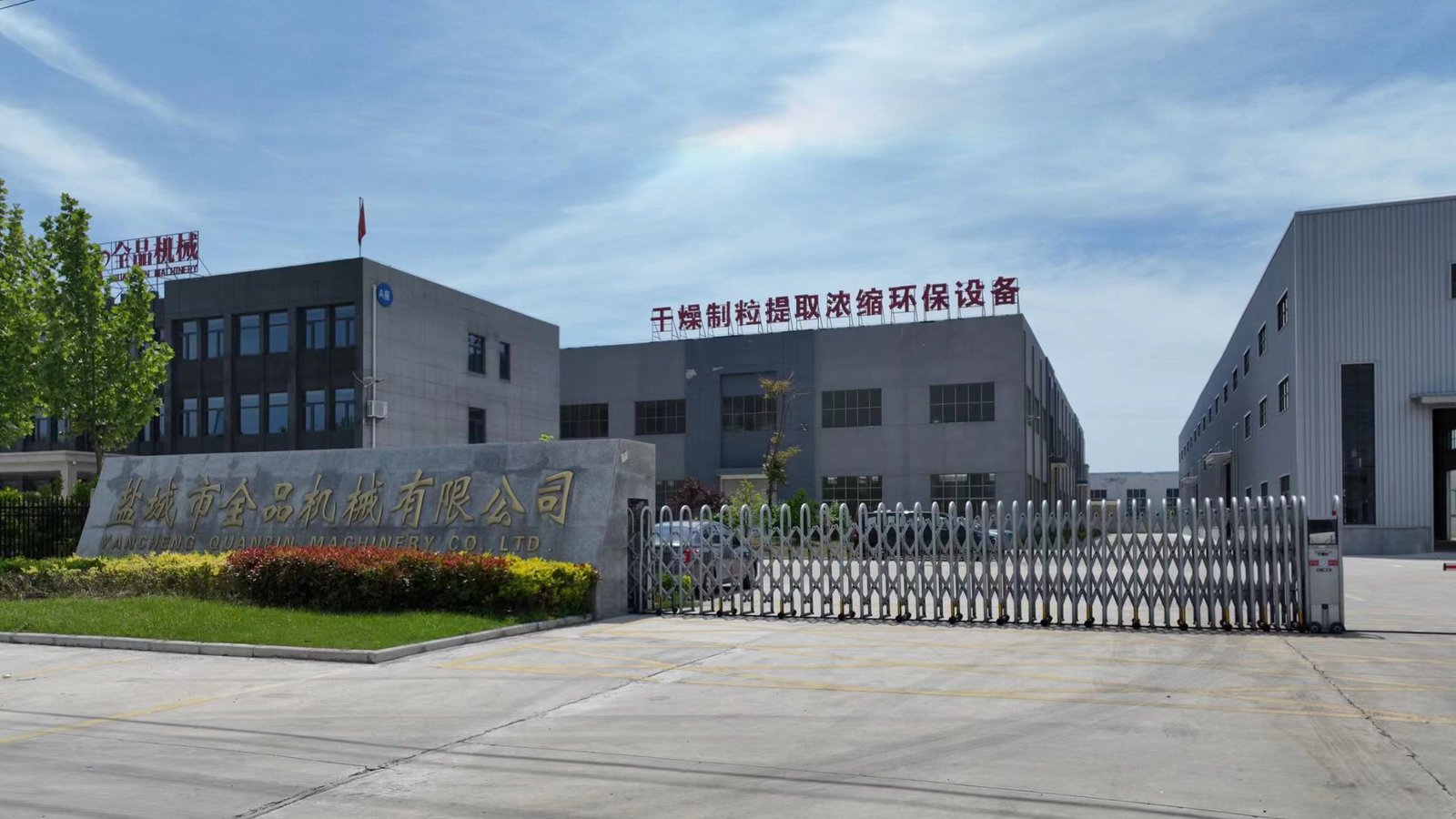
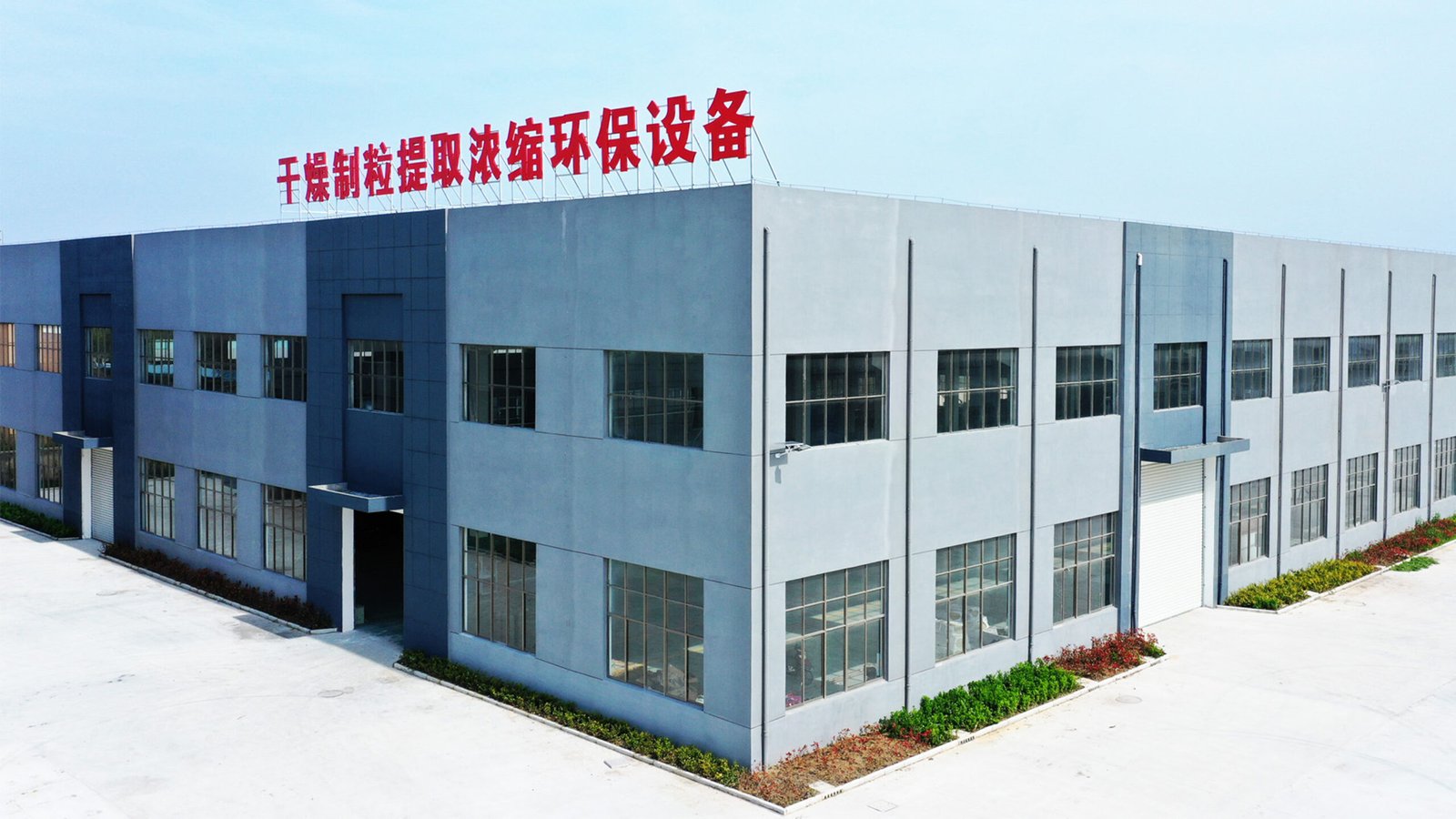
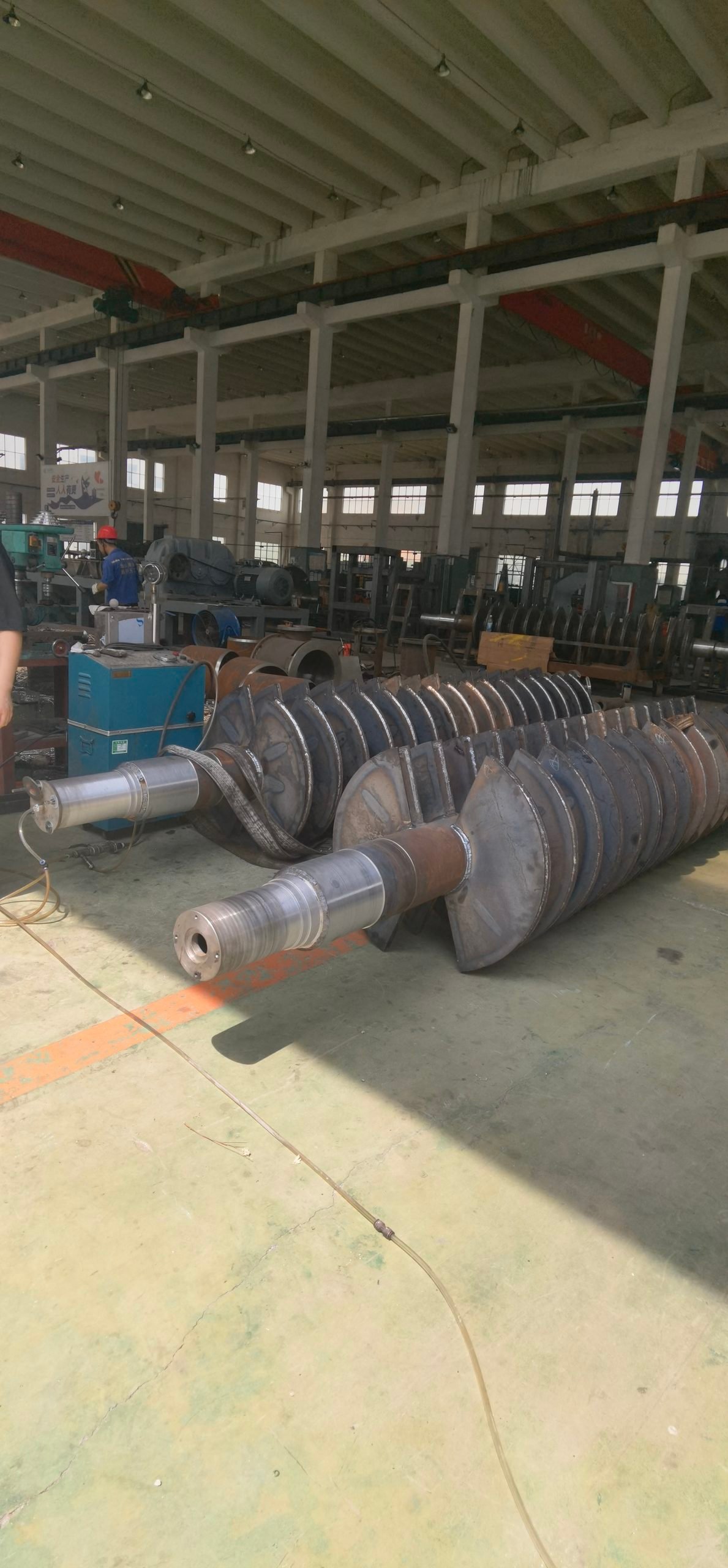
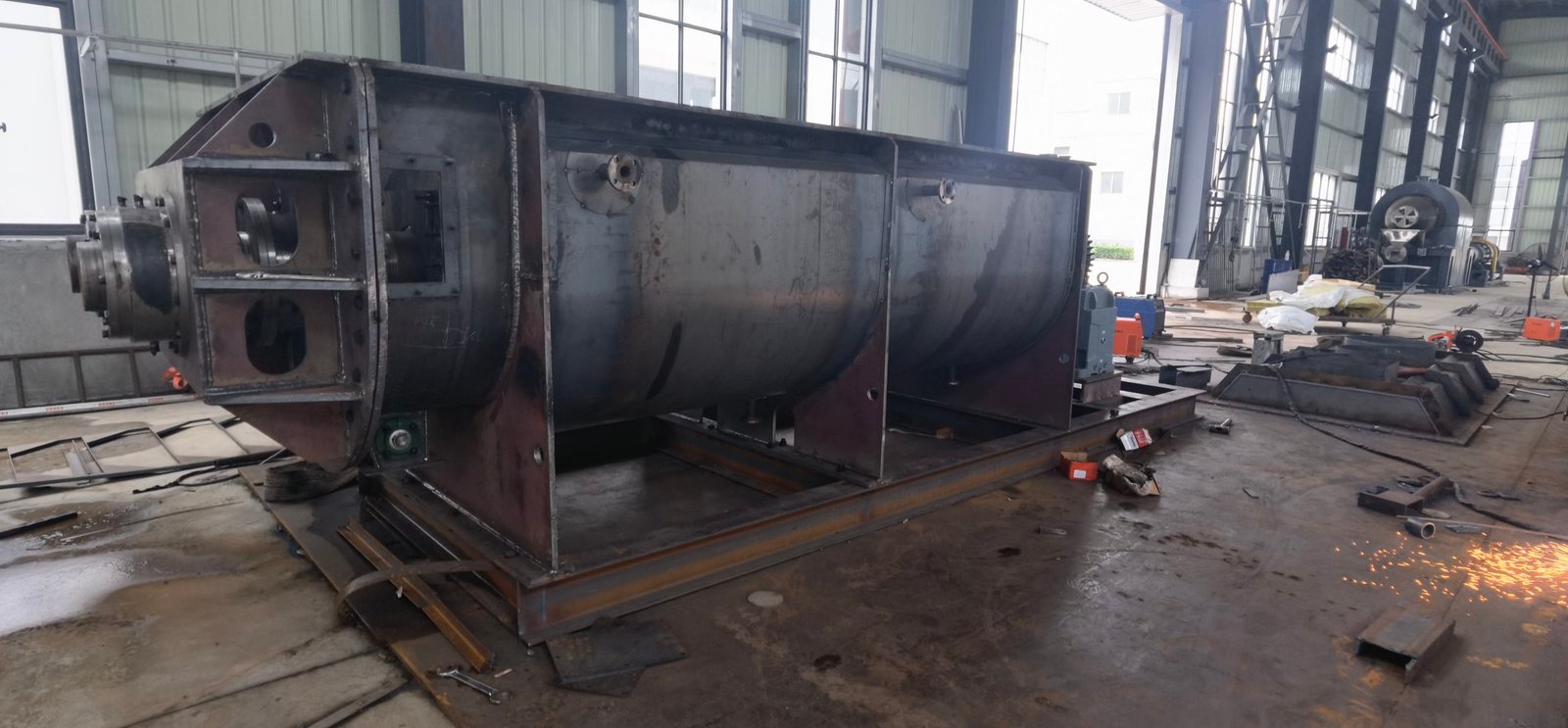
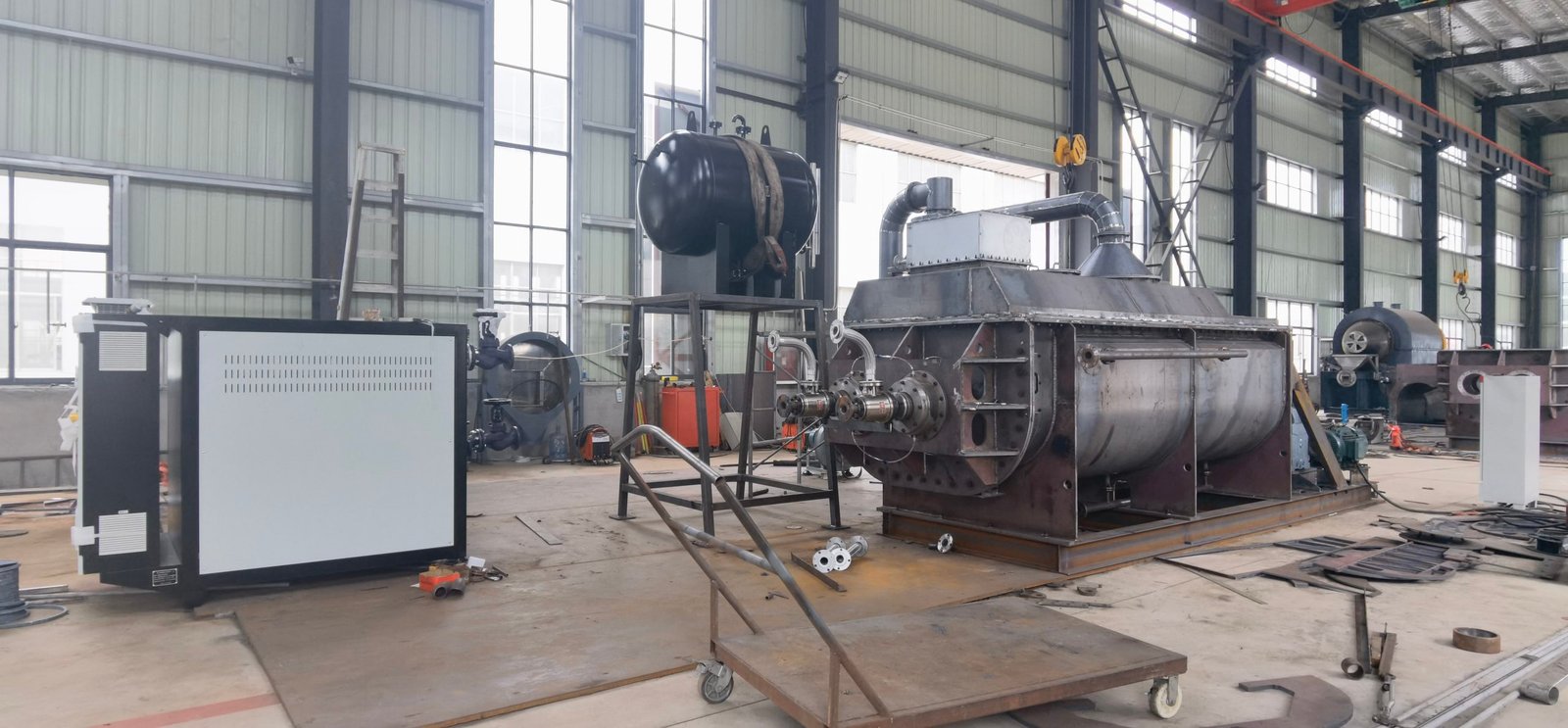
Our Factory
Technical Specifications
| Selection Item | Information Required |
| Feed material | Composition, consistency and bulk density |
| Moisture | Initial moisture and target final moisture |
| Throughput | Required feed rate and finished product output |
| Temperature | Product temperature limit and available heating utilities |
| Powder | Required particle characteristics and collection method |
| Installation | Site dimensions, utilities and process connections |
Numerical specifications are confirmed in the project-specific QUANPIN proposal.
Raw Materials
| Material Group | Information for Assessment | Trial Review |
| Agricultural chemicals | Composition and handling requirements | Moisture removal and product properties |
| Ceramic materials | Feed consistency and particle requirements | Dispersion and collection |
| Food materials | Ingredient properties and cleaning scope | Temperature exposure and powder quality |
| Inorganic chemicals | Composition and compatibility | Drying behavior and collection |
| Organic chemicals | Material and vapor properties | Process suitability |
Material-specific temperature, moisture and capacity results require a representative trial. This table lists assessment items rather than guaranteed performance.
What is a Spin Flash Dryer?
A spin flash dryer disperses suitable wet material in a heated air stream. Mechanical agitation and moving air act together to break up feed and remove moisture. The process is considered for materials that can be fed and dispersed under the selected conditions.
How Does a Spin Flash Dryer Work?
The complete line coordinates feed delivery, chamber agitation, hot air and particle collection. Each stage affects the finished powder and should be reviewed together.
Step 1: Disperse Wet Material
A feeding device introduces wet material into the chamber. The agitator breaks up suitable agglomerates and exposes more of the material to the process air.
Step 2: Drying
Hot air supplies energy for evaporation. Feed rate, air conditions and material behavior influence moisture removal and residence time.
Step 3: Collection
The selected separation equipment collects powder from the air stream. Particle properties help determine the collection arrangement.
Step 4: Exhaust Air
The process air passes through the specified separation and treatment equipment. Exhaust requirements are considered as part of the complete installation.
Features to Consider
The value of a spin flash drying system depends on the material and operating duty. Compare the entire process against the required output and powder properties.
Drying Performance
Representative trials help establish whether the feed disperses and dries as required. Capacity depends on the actual moisture removal duty.
Automatic Controls
A project can define the required operating sequence, monitoring points and operator interface. The agreed scope should be included in the proposal.
Energy Requirements
Review heating, air movement and drive requirements together. Utility demand changes with feed moisture and the intended process conditions.
Process Adjustments
Feed delivery and process-air settings are coordinated to meet the required operating conditions. The appropriate settings are material-specific.
Material and Process Requirements
Share material composition, handling information and installation requirements with the engineering team before equipment selection.
Cleaning Access
Specify the cleaning method and any changeover requirements so that access and product-contact surfaces can be reviewed.
Maintenance
Plan inspection of the drive, agitator, feed system and collection equipment. Maintenance intervals follow the selected equipment and operating duty.
Applications of Spin Flash Drying
The following groups may contain suitable materials. Suitability is assessed for the actual formulation, feed condition and finished-product target.
Agricultural Chemicals
Provide formulation information, handling requirements and desired particle properties.
Ceramics
Review the feed consistency, dispersion behavior and powder characteristics required by the downstream process.
Food
Specify ingredient behavior, product temperature limits and cleaning requirements.
Inorganic Chemicals
Identify material compatibility and the target moisture and particle characteristics.
Organic Chemicals
Provide composition and vapor information for the process review.
Send Your Inquiry Now
To request a quote for the XSG Rotating Flash Dryer, send the filter-cake or paste consistency, feed moisture, stickiness, solids throughput, final moisture and required powder size. Include site space, utilities and installation requirements so QUANPIN can review the equipment scope and discuss a suitable configuration. Material-specific targets should be agreed before model selection.
Application Review: Chemical Powder Processing
Review the actual feed composition, consistency, initial and final moisture, temperature limits and discharge requirements. Define heating, vapour handling, cleaning and collection around the selected material and process.
For the formulation review, consult HSE hazardous-substance assessment guidance.
Review the formulation’s safety data sheets using HSE chemical safety data sheet guidance.
Review the actual powder characteristics using the HSE safe handling of combustible dusts.
For the heating-system review, consult the U.S. Department of Energy process heat overview.
For maintenance and isolation planning, refer to HSE work equipment maintenance guidance.
Start Optimizing Your
Drying Process Today.
Our engineers are ready to assess your material and recommend a reliable, cost-effective drying solution.