QUANPIN Pressure Spray Dryer
Turn a pumpable liquid feed into dried particles through pressure atomization and contact with heated air. QUANPIN reviews the feed, required powder properties and production conditions to configure a suitable drying system.
Pressure nozzle atomization
Feed preparation and pumping configuration
Drying chamber matched to the process
Powder collection and exhaust treatment
Heating and control options for your site
Equipment selection based on your material
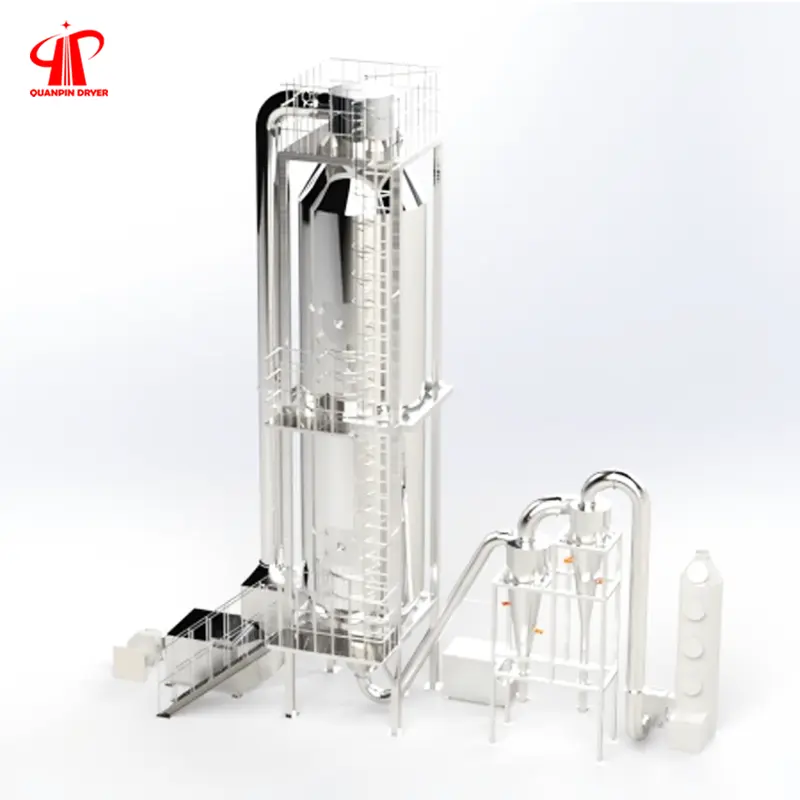
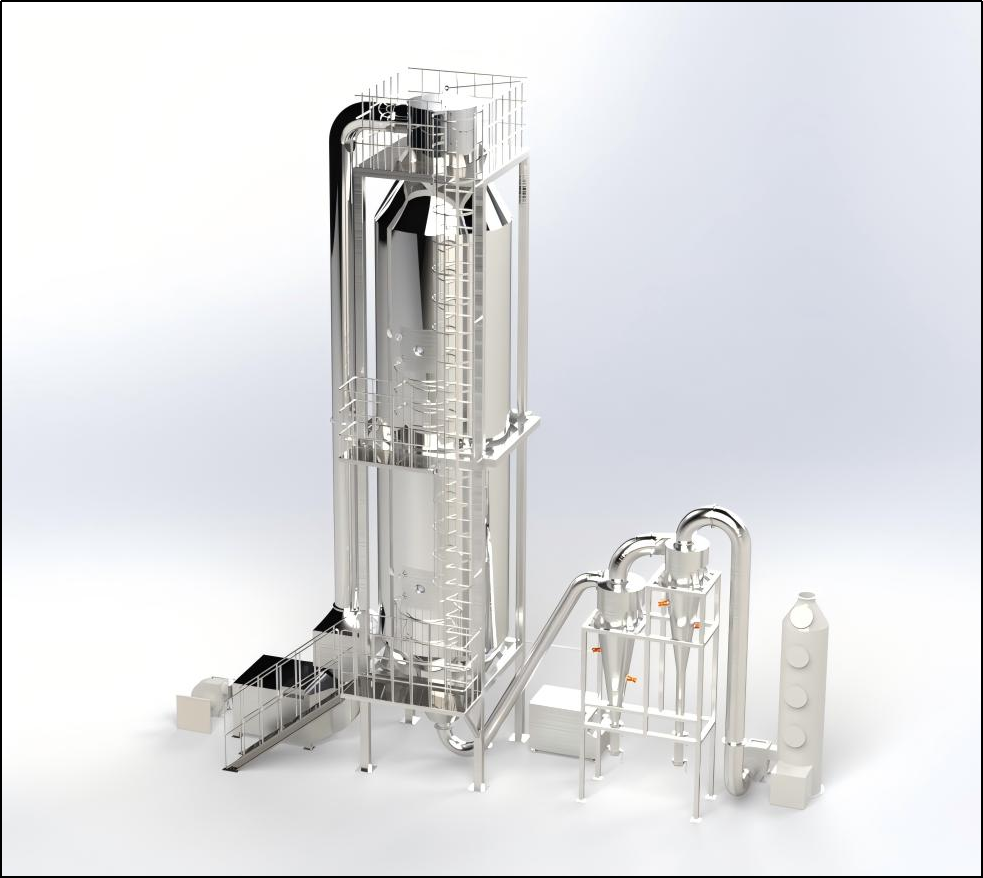
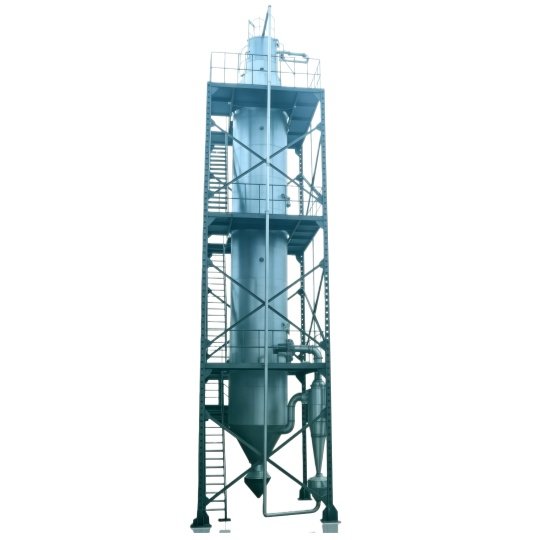
Pressure Spray Drying System
A pressure spray drying line combines liquid preparation, high-pressure feeding, atomization, hot-air drying and powder collection. Each part is selected around the feed characteristics and the intended final product. Share your material information with QUANPIN to discuss a process configuration.
Principle of Pressure Spray Drying
The feed passes through a pressure nozzle and breaks into droplets inside the drying chamber. Heated air supplies the energy for evaporation. Droplet size, feed rate and the drying conditions influence the particle characteristics and moisture at discharge.
The dried material is collected from the chamber and separation equipment. The feed system, air supply, controls and collection arrangement must work together for the selected material and operating duty.
Features of the System
• Nozzle and feed-pump selection based on liquid properties.
• Drying chamber configuration coordinated with atomization.
• Product-contact materials specified for the application.
• Air filtration and heating arranged around site utilities.
• Powder recovery equipment selected for the process.
• Access and cleaning requirements considered in the layout.
• Process measurements defined for the operating team.
• Final operating parameters established in the technical proposal.
Feed Preparation
Review solids content, viscosity and filtration needs before selecting the feed arrangement.
Pressure Atomization
Discuss nozzle configuration and the required particle characteristics.
Drying Chamber
Coordinate the chamber layout with the material and drying duty.
Heating System
Review available utilities and the required process air conditions.
Powder Collection
Select the collection arrangement around powder properties and recovery needs.
Process Controls
Define the readings and operating controls required by your team.
Cleaning Access
Plan maintenance access and cleaning around the product and operating schedule.
Production Integration
Confirm space, upstream feed and downstream powder handling.
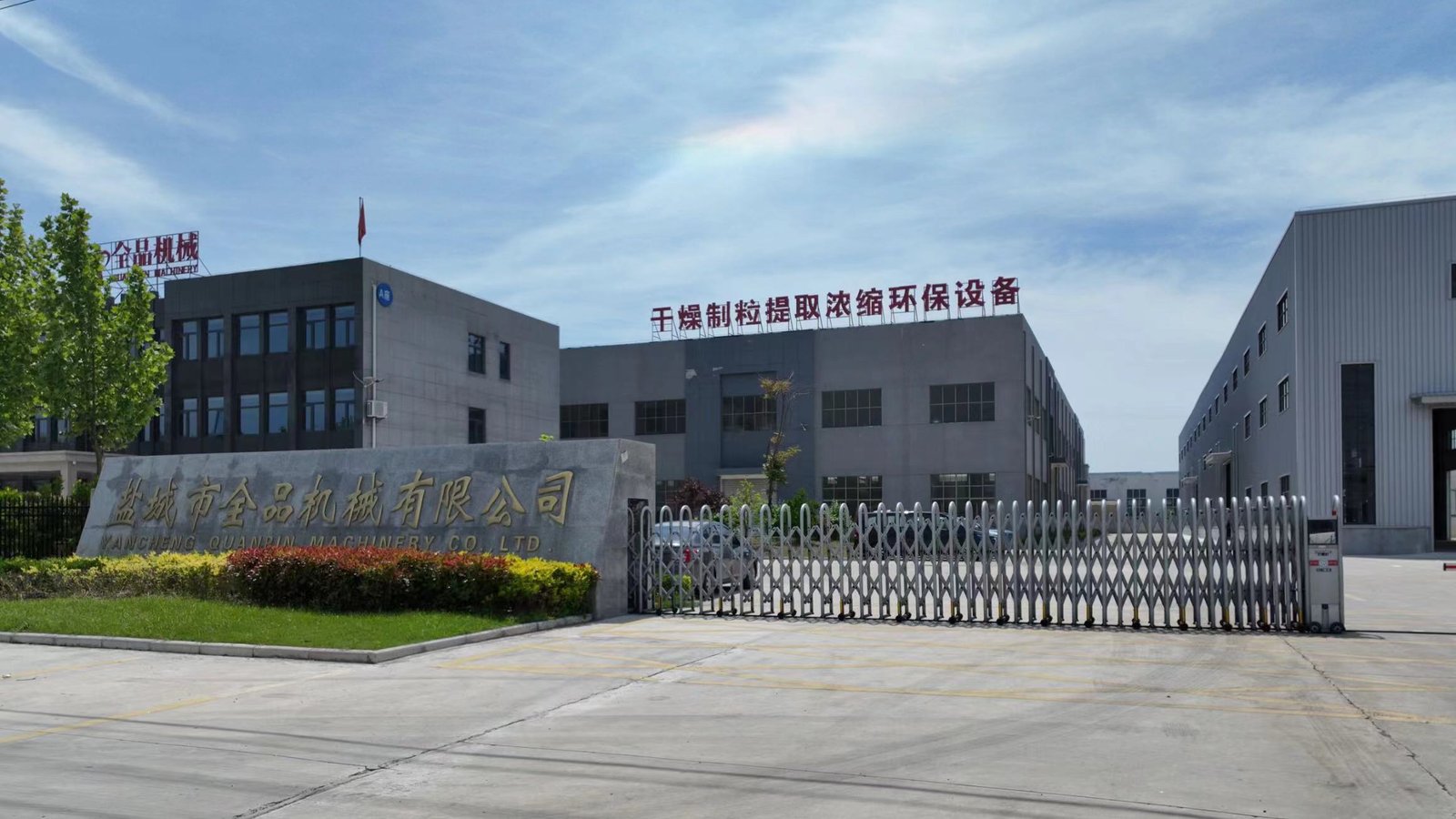
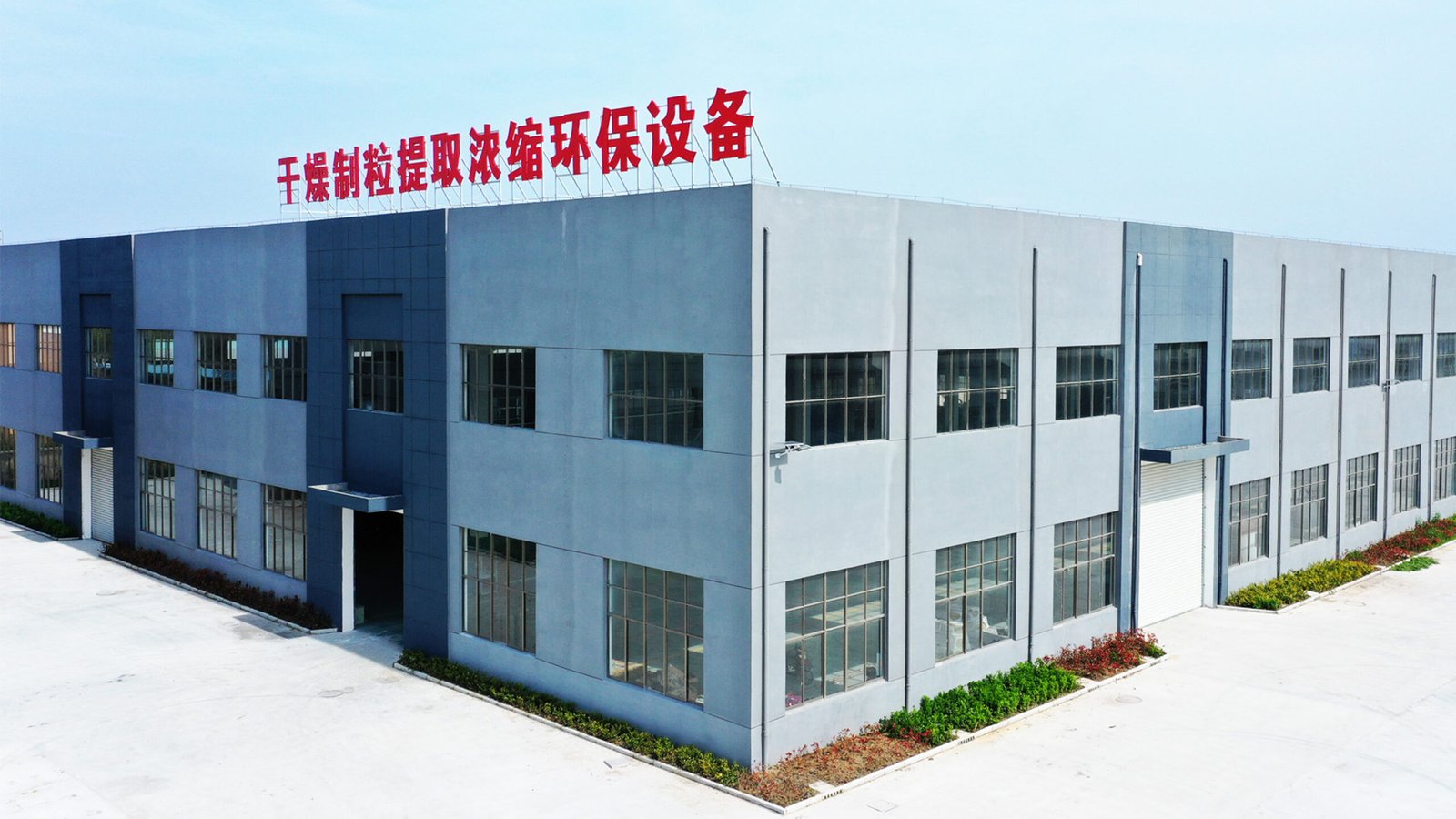
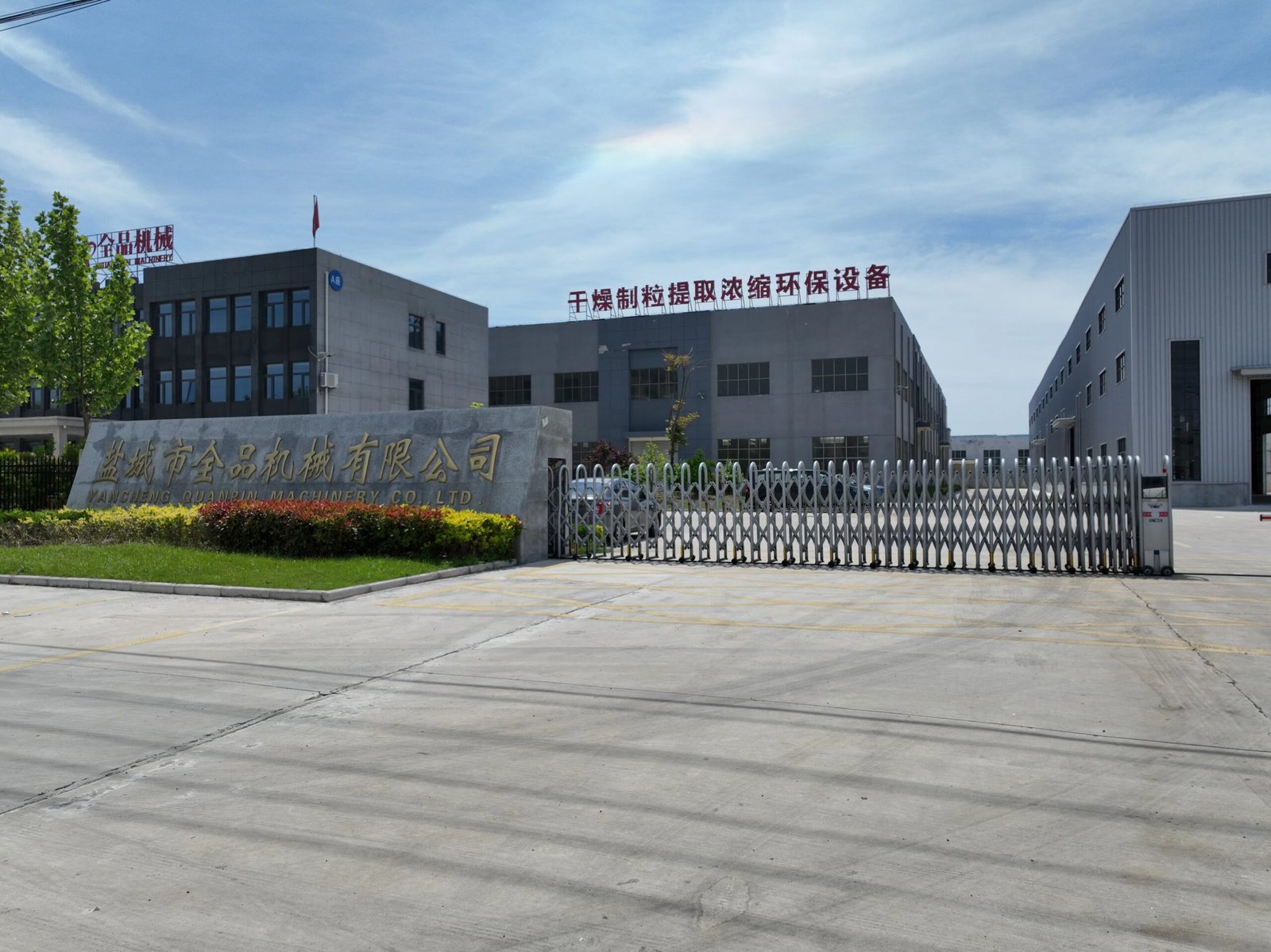
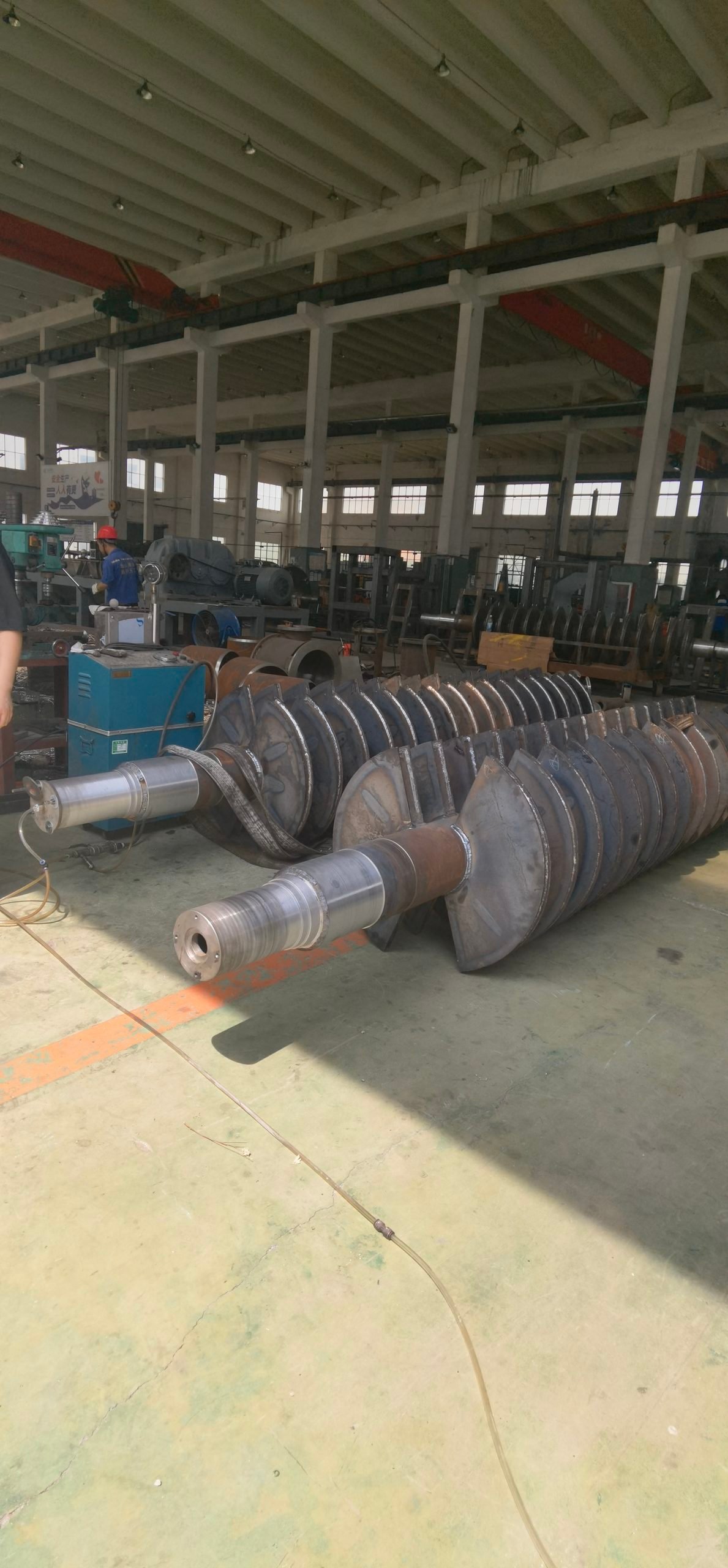
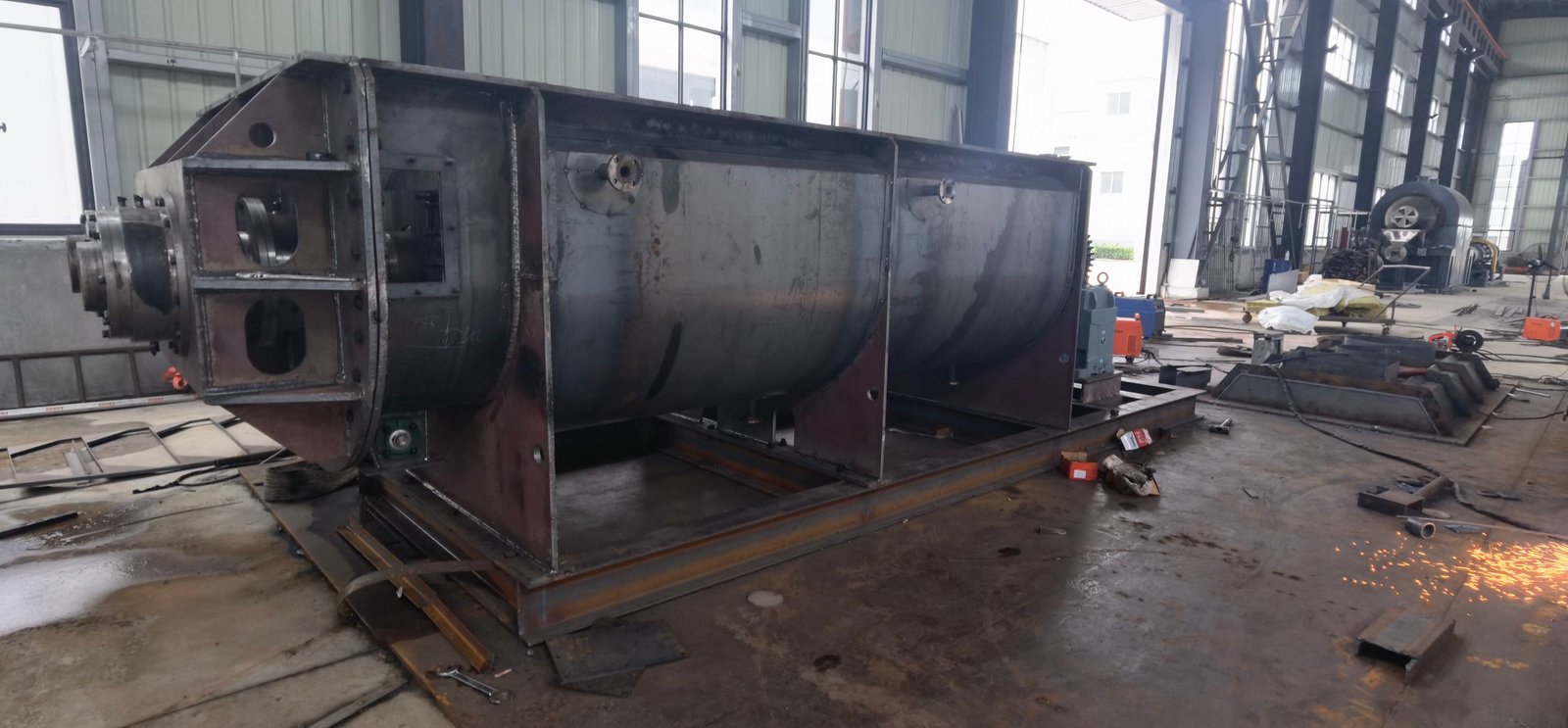
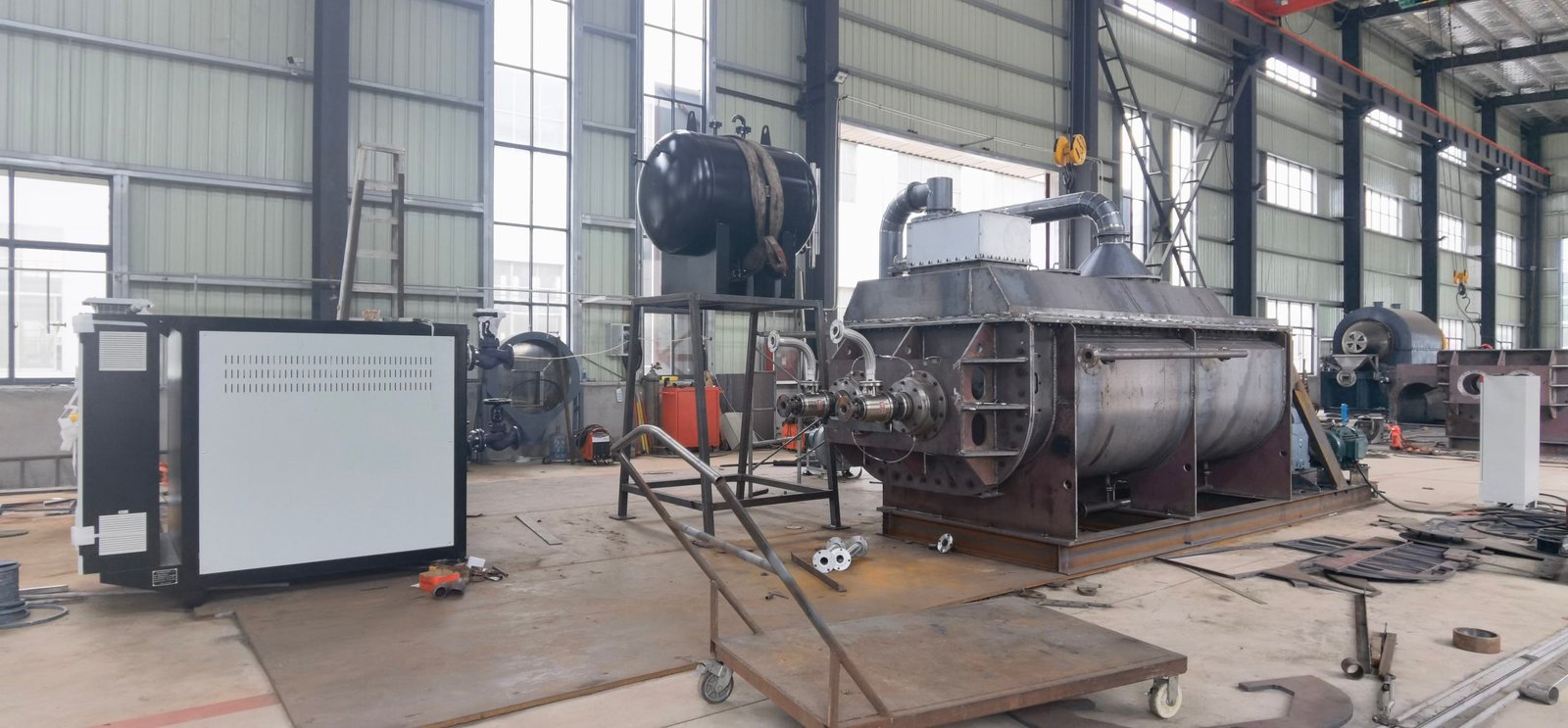
Our Factory
Technical Parameters
| Selection Item | Information Required |
| Feed | Material composition, solids content and viscosity |
| Capacity | Planned liquid feed and finished product output |
| Product | Target moisture, particle size and bulk properties |
| Heating | Available heat source and utility conditions |
| Construction | Contact material and cleaning requirements |
| Installation | Space, height and upstream/downstream connections |
Project-specific figures are confirmed in the QUANPIN technical proposal.
Technological Process
01
Feed tank
02
Feed filter
03
High-pressure pump
04
Atomizing nozzle
05
Drying chamber
06
Powder collection
Air circuit: air filtration → heating → drying chamber → separation and exhaust. The detailed arrangement depends on the material and project requirements.
What is a Pressure Spray Dryer?
Pressure spray drying converts a liquid into particles by dispersing it through a nozzle into heated air. It brings atomization and evaporation together in one process. The resulting powder depends on both the feed properties and the selected operating conditions.
How Does a Pressure Spray Dryer Work?
First, the feed is prepared and supplied to the pump. The nozzle forms droplets in the drying chamber, where contact with heated air removes moisture. The resulting particles pass to the collection system, while the process air continues through the specified separation and exhaust equipment.
Key Components of a Pressure Spray Dryer
The main equipment includes the feed tank and filter, pressure pump, nozzle, air heater, drying chamber, collection system and controls. Access for inspection, cleaning and replacement of wear components should be included when planning the installation.
Advantages of Pressure Spray Drying
Pressure atomization provides a way to produce particles directly from suitable liquid feeds. Its suitability should be assessed against the required particle properties, energy demand, cleaning needs and production schedule.
Stability and Reliability
Consistent feed preparation and attention to nozzle condition help support repeatable operation. Operators need the appropriate measurements and maintenance access to monitor the process.
Product Quality
Feed composition, atomization and drying conditions all contribute to the finished powder. A material trial can help assess moisture and handling properties before final equipment selection.
Process Efficiency
The drying duty depends on how much moisture must be removed and the available heating conditions. The engineering review should consider the complete system, including air movement and powder collection.
Operating Costs
Compare utility consumption, cleaning time, wear parts and maintenance requirements alongside the initial equipment cost. These items vary with the material and operating schedule.
Pressure Spray Dryer Applications
Suitability is assessed for the specific formulation. Provide the material properties and end-product requirements so that the process can be reviewed before an equipment recommendation.
Food Industry
Specify ingredient properties, cleaning requirements and desired powder characteristics.
Chemical Industry
Provide composition and compatibility information together with the intended production conditions.
Pharmaceutical Industry
Identify the required product-contact materials, documentation and cleaning scope for the facility.
Agricultural Products
Describe the formulation, moisture target and downstream handling or packaging requirements.
Send Your Inquiry Now
Start Optimizing Your
Drying Process Today.
Our engineers are ready to assess your material and recommend a reliable, cost-effective drying solution.