
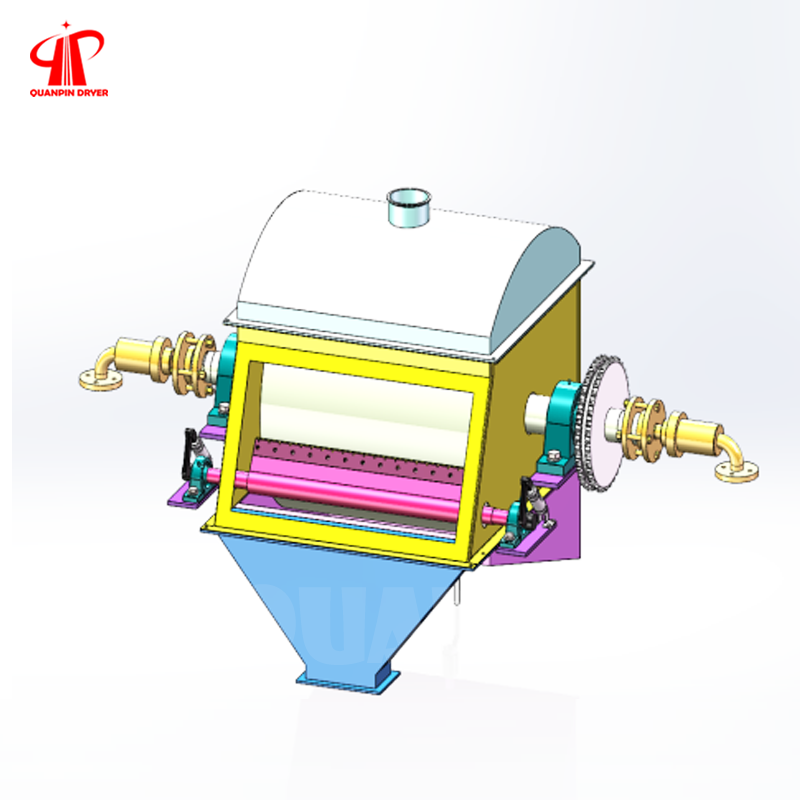
QUANPIN Drum Scraper Dryer
Discuss your feed material, drying target and installation requirements with QUANPIN to define a suitable drum scraper dryer configuration.
Heated rotating drum surface
Feed arrangement matched to the material
Controlled material layer
Scraper discharge arrangement
Drum speed and heating control
Material trials for process selection
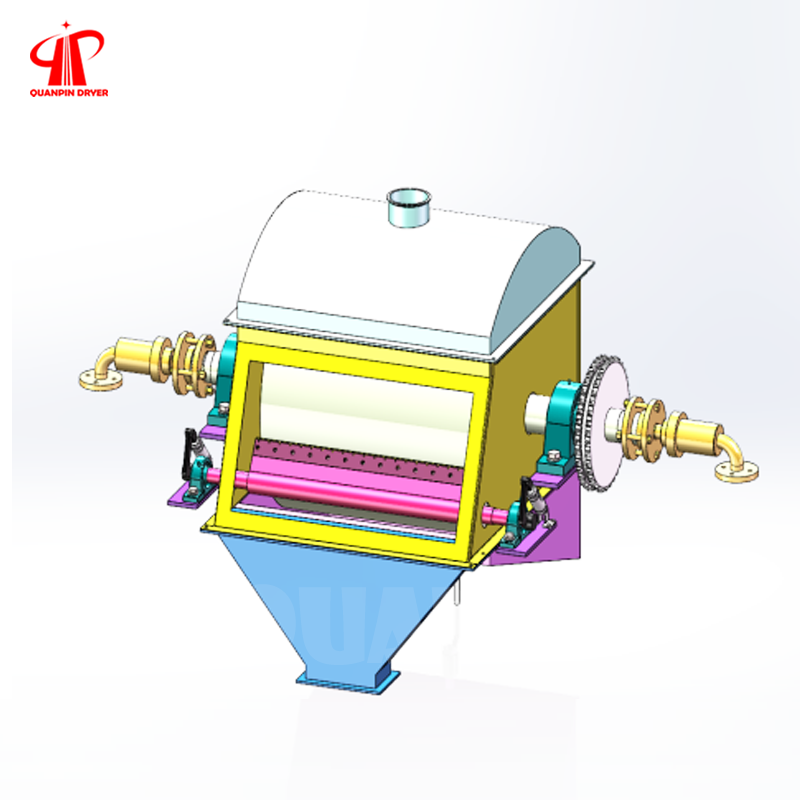
Drum Scraper Drying System
A drum scraper dryer applies material to a heated rotating surface. Moisture evaporates as the drum rotates, and a scraper removes the dried layer. The configuration must suit the material and required product properties.
How Does a Drum Scraper Dryer Work?
Stage 1 — Feeding
Prepare and distribute the material onto the drum using the selected feed arrangement. Review viscosity, solids content and feed consistency.
Stage 2 — Contact Drying
Heat passes through the drum surface to the material layer. Drum speed, heating conditions and layer thickness influence the drying process.
Stage 3 — Scraping and Collection
The scraper removes the dried material from the drum. Review the discharge arrangement and downstream handling for the finished product.
Features to Specify
• Feed composition, solids content and viscosity.
• Required moisture removal and production output.
• Available heating utilities and temperature limits.
• Drum speed and material layer requirements.
• Contact materials and scraper arrangement.
• Exhaust, discharge and installation requirements.
Feed Preparation
Confirm the consistency and handling requirements of the feed.
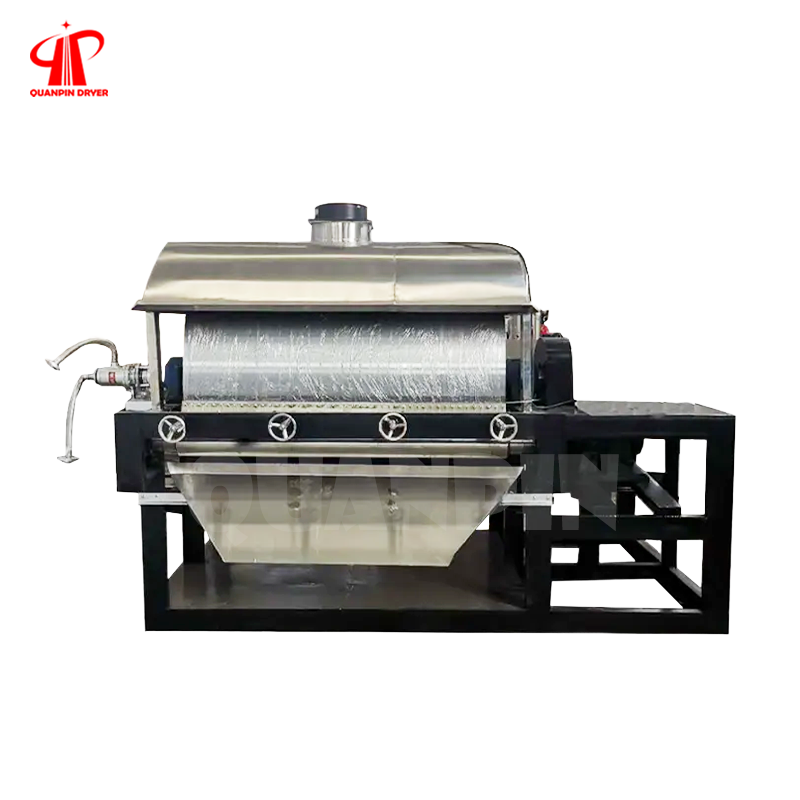
Material Distribution
Discuss how to maintain an appropriate layer on the drum.
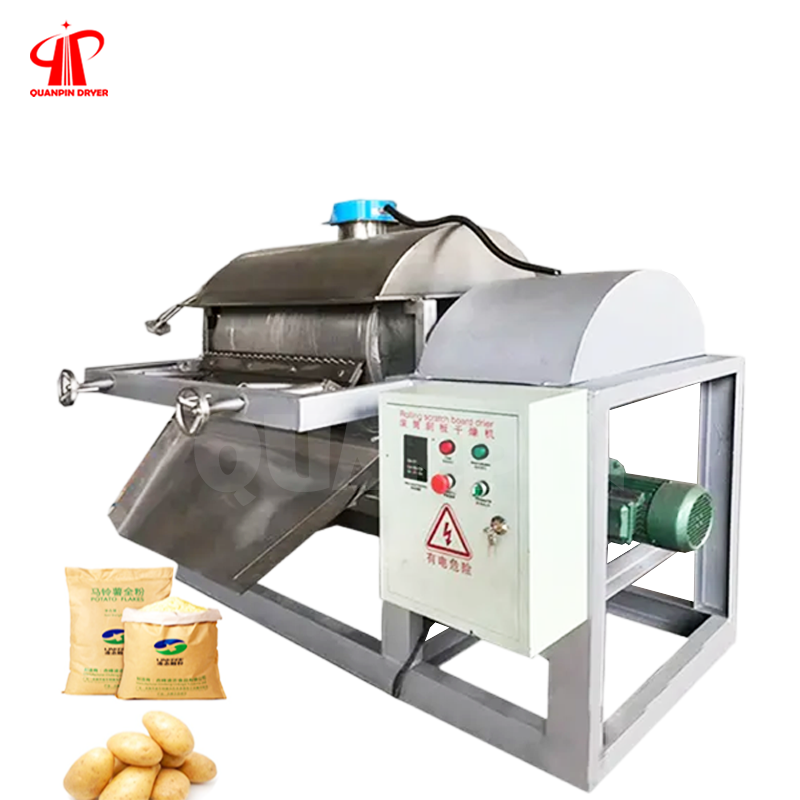
Heated Drum
Review the heating utility and permitted material temperature.
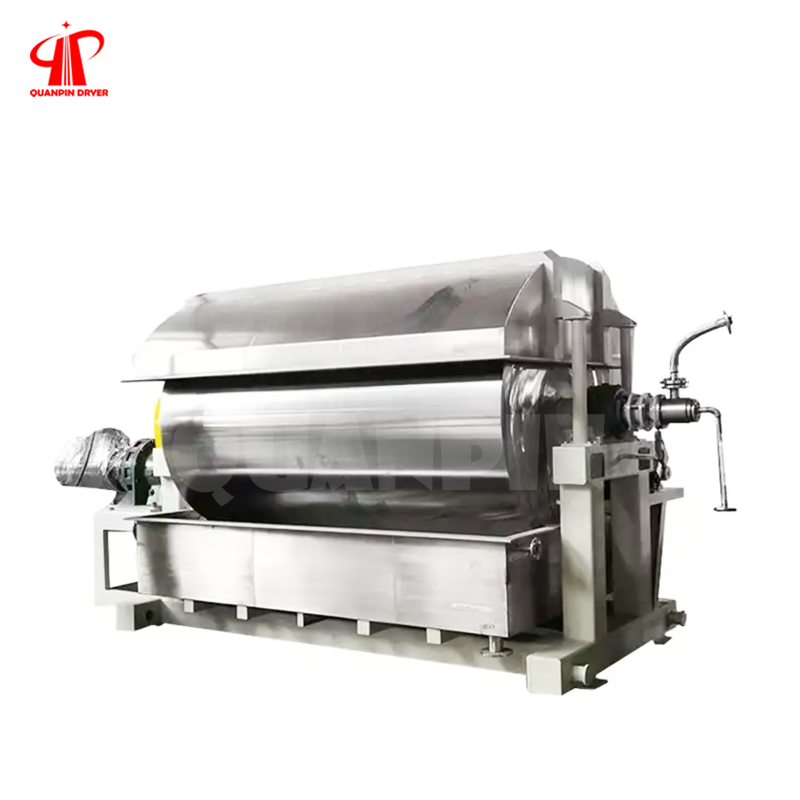
Scraper Arrangement
Specify product removal and maintenance access.
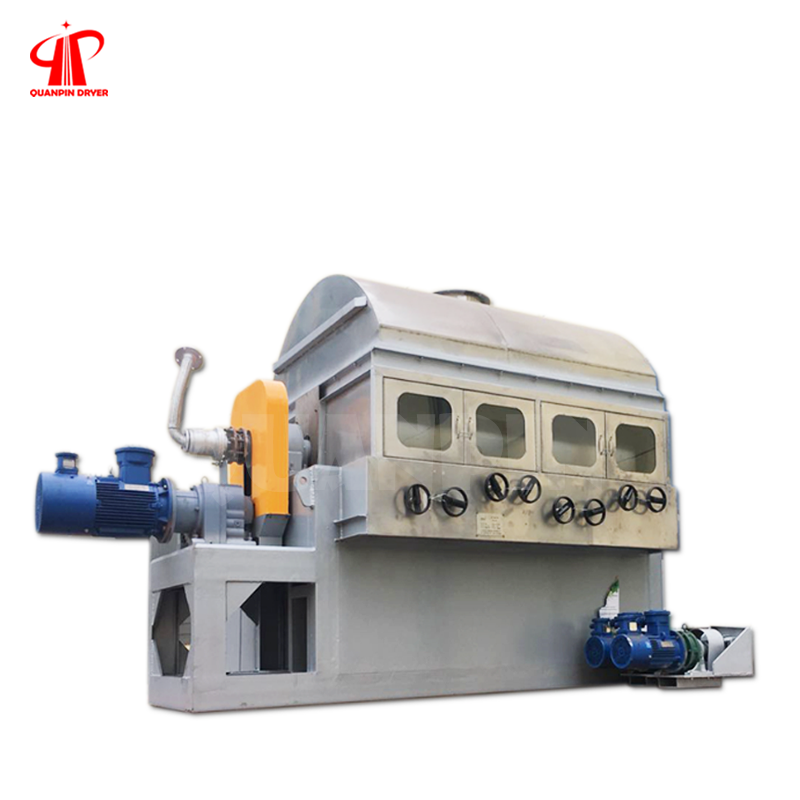
Drive Configuration
Discuss operating speed and control requirements.
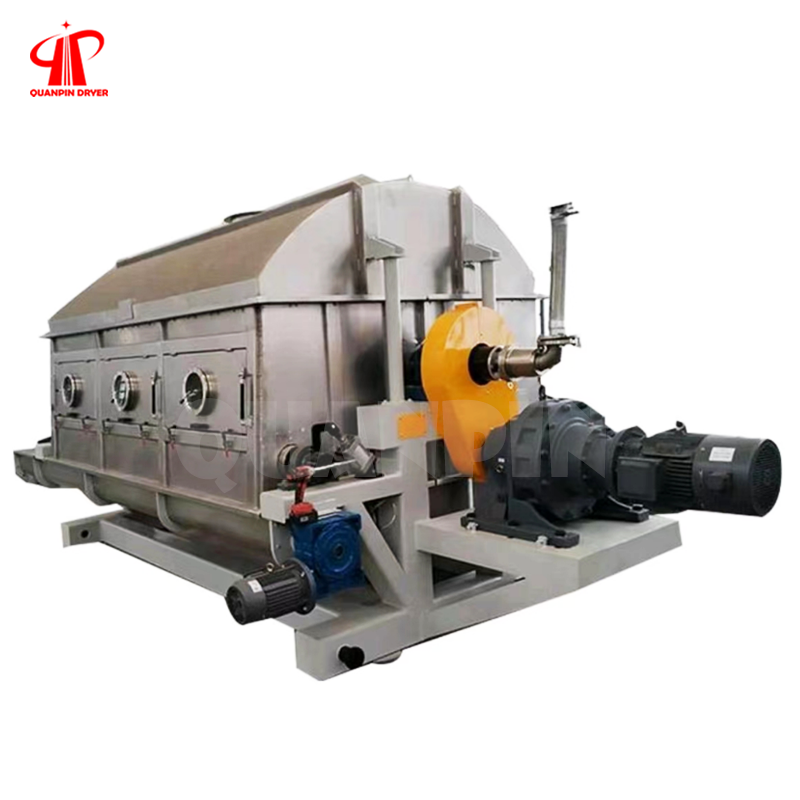
Product Collection
Coordinate the discharge and downstream handling arrangement.
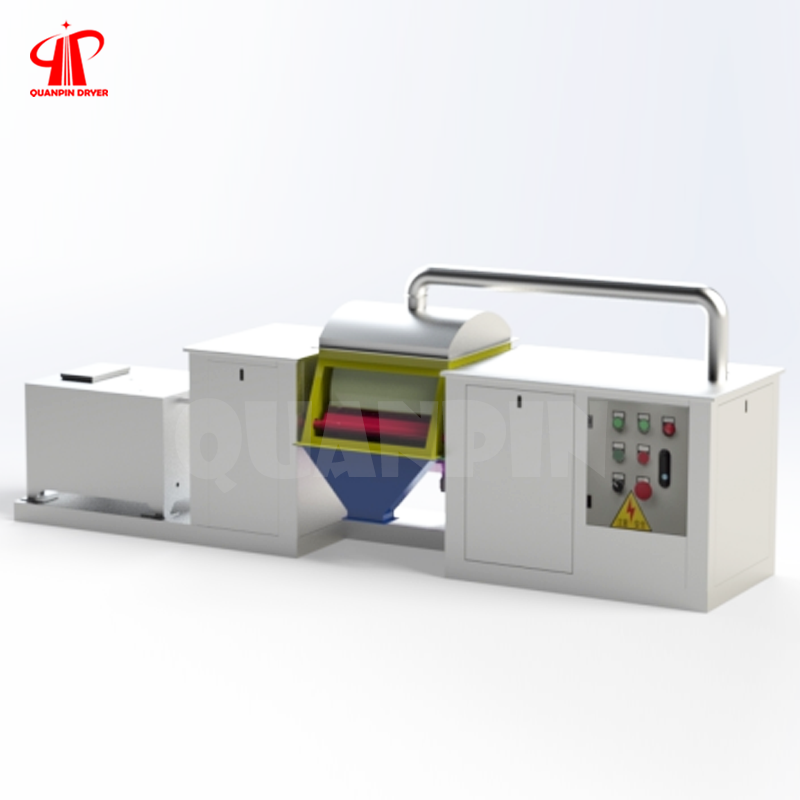
Production Requirements
Provide the expected feed rate and finished-product targets.
Material Trials
Use representative feed to assess the proposed drying conditions.
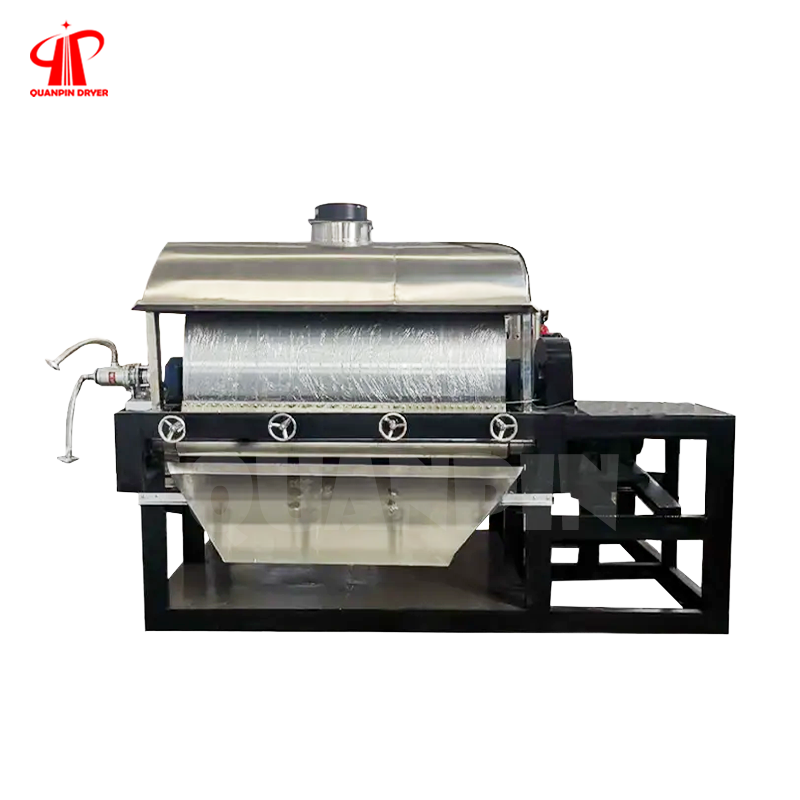
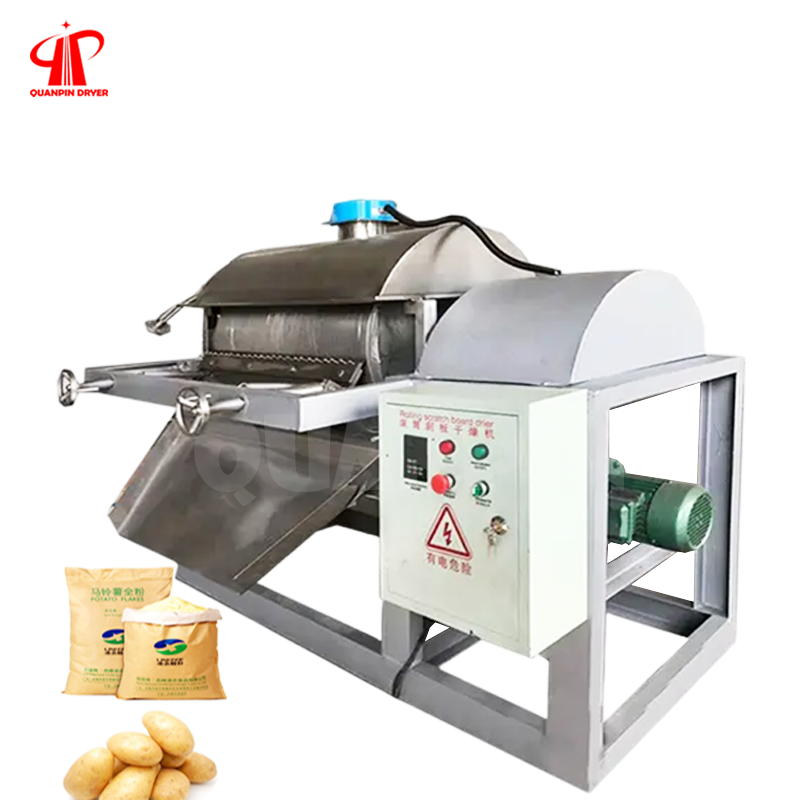
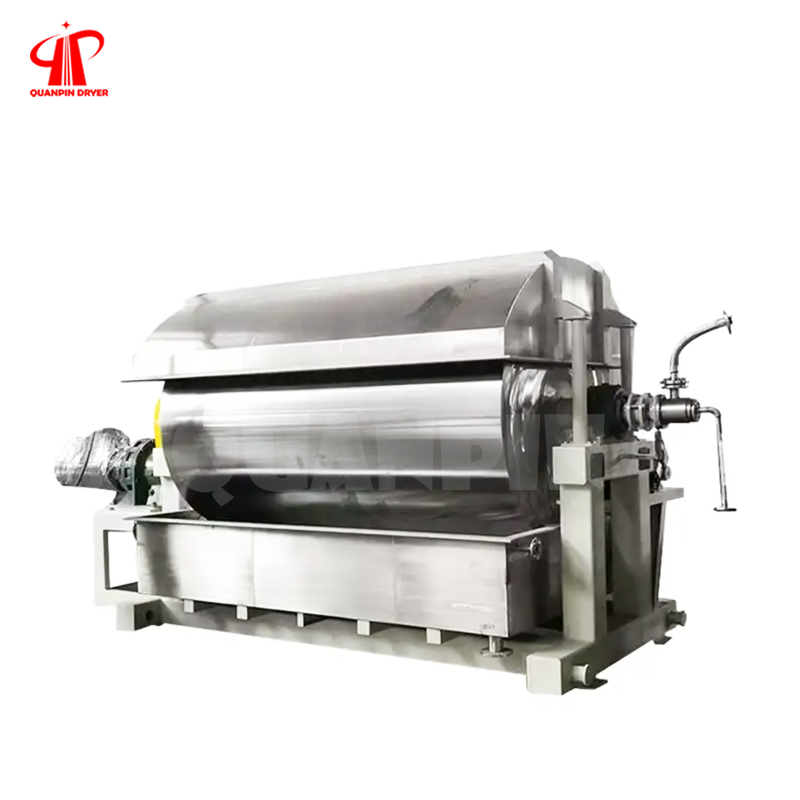
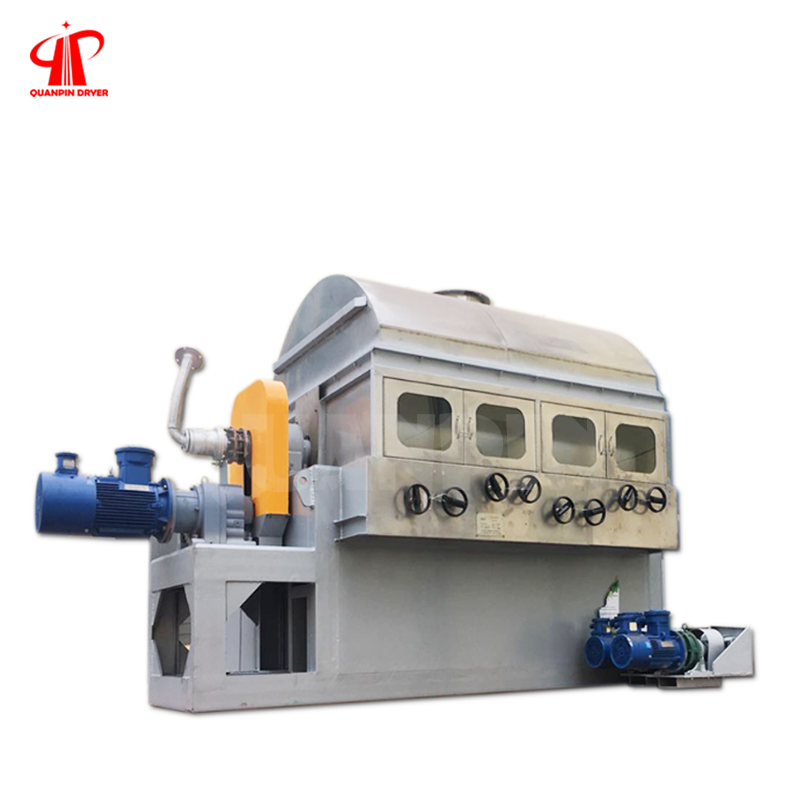
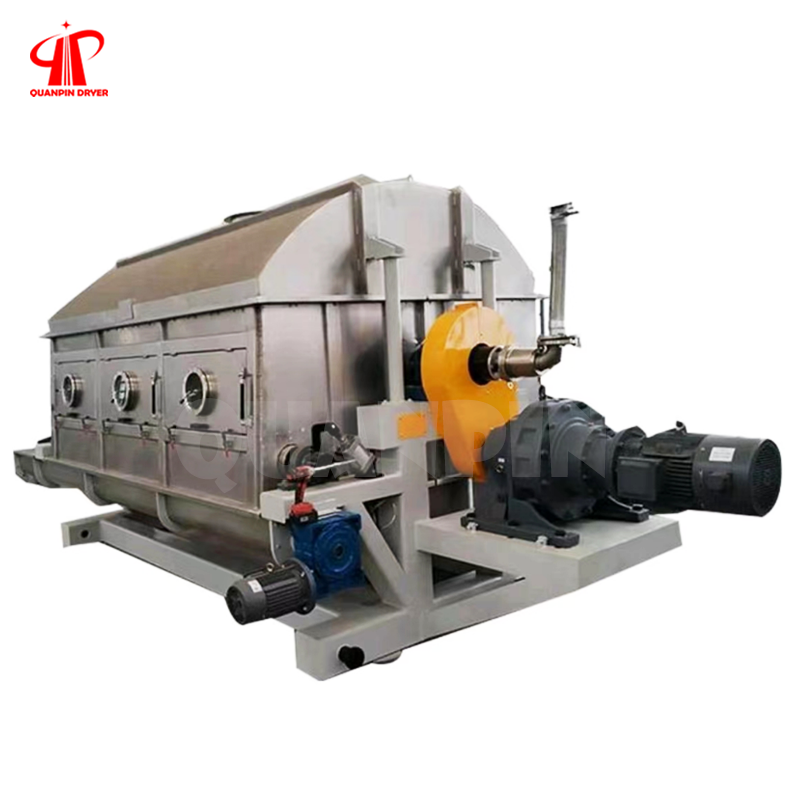
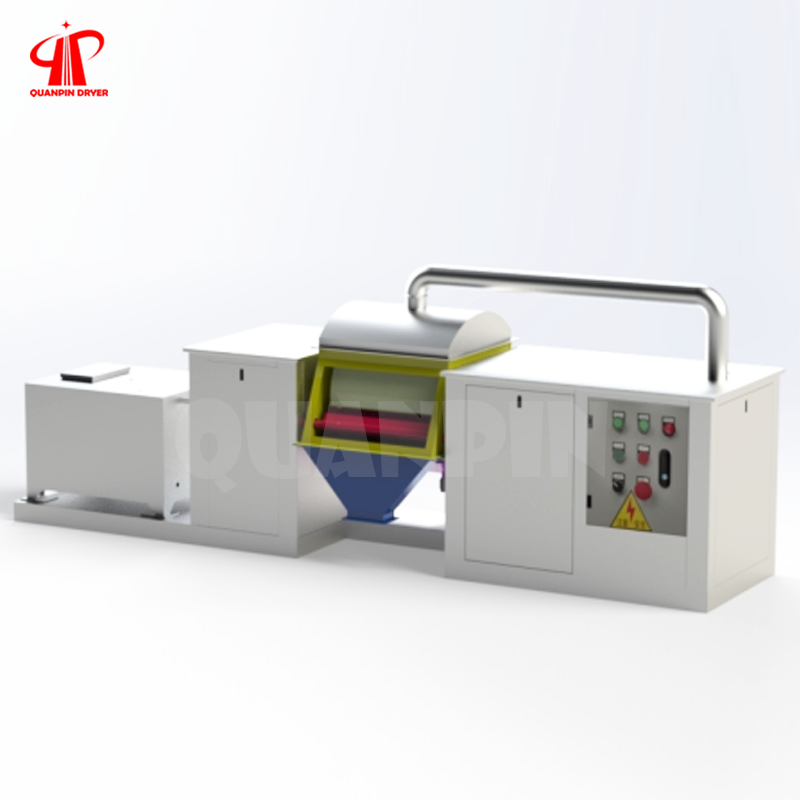
Equipment Gallery
Technical Parameters
| Parameter | Project Information |
| Product | Feed composition, moisture, viscosity and temperature limits |
| Feed Rate | Required input and output rates |
| Drum | Working surface and operating speed |
| Heating | Heat source and supply conditions |
| Discharge | Scraper and product collection requirements |
| Controls | Process settings and monitoring requirements |
| Installation | Available utilities, space and cleaning requirements |
The final specification is defined in the QUANPIN technical proposal.
Performance Test
Agree the feed conditions, operating settings and acceptance criteria before a representative material trial.
| Test Item | Record or Assessment |
| Feeding | Material, solids content, feed rate and layer distribution |
| Feed preparation | Feed temperature and consistency |
| Contact drying | Heating conditions, drum speed and material layer |
| Scraping | Scraper settings and product discharge |
| Final product | Residual moisture, appearance and product form |
| Utilities | Measured consumption under the stated test conditions |
Evaluate trial results against the agreed material and operating conditions.
What is a Drum Scraper Dryer?
A drum scraper dryer uses a heated rotating surface to dry a layer of material. A scraper removes the dried layer for collection and further handling.
How Does Drum Scraper Drying Work?
Material is distributed over the drum surface. Heat transfer removes moisture during rotation, then the scraper separates the dried product from the surface.
Material Characteristics
Share the feed composition, viscosity, solids content and temperature limits before equipment selection.
Temperature Requirements
Confirm the permitted product temperature and available heating conditions.
Layer Formation
Review the feed arrangement and layer thickness using representative material.
Product Discharge
Specify the desired product form and downstream handling.
Storage and Transport
Discuss cooling and packaging after discharge.
Finished-product Checks
Define moisture, appearance and other acceptance criteria for the dried material.
Material Suitability
Provide representative feed information so suitability can be assessed.
Utility Requirements
Review the heating supply, drive power and exhaust requirements.
Drum Dryer Configurations
Select the drum and feeding arrangement around the material behaviour and production target.
Trial Requirements
Material testing can help determine operating conditions before selection.
Feed Arrangements
Review distribution and feed consistency with the engineering team.
Production Configuration
Coordinate throughput, heating, discharge and maintenance access.
Main Components
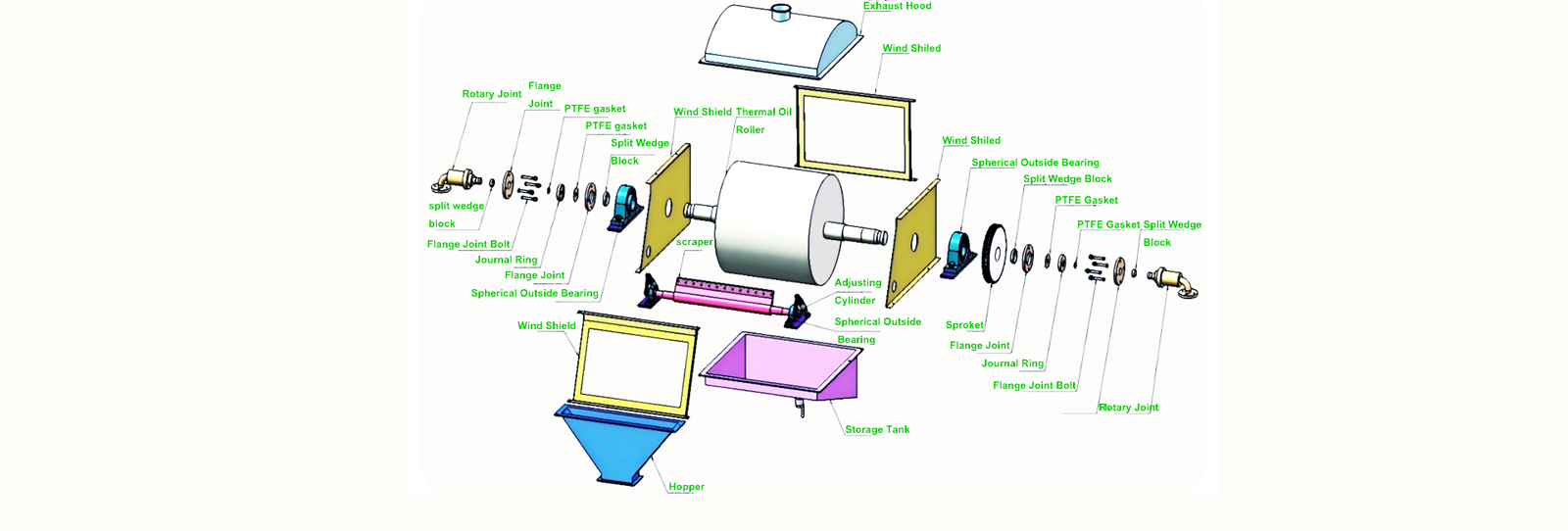
The drum, heating connections, feed arrangement, scraper, drive and controls operate together as a drying system.
Drum and Contact Surface
Specify surface material and working dimensions in the technical proposal.
Heating Connections
Review the heat supply and associated connections for the selected equipment.
Scraper and Drive
Discuss scraper adjustment, drum speed and maintenance requirements.
Controls
Specify operating settings, monitoring and operator requirements.
Applications
Contact QUANPIN with your material composition and product targets to assess whether drum scraper drying is suitable.
Selecting a Drum Scraper Dryer
Provide feed rate, solids content, viscosity, moisture target, temperature limits and available utilities for technical review.
Send Your Inquiry Now
Start Optimizing Your
Drying Process Today.
Our engineers are ready to assess your material and recommend a reliable, cost-effective drying solution.