
Heat Transfer
Review jacket and paddle heating surfaces.
Material Movement
Coordinate agitation with feed characteristics.
Operating Requirements
Plan utilities, controls and maintenance access.
Application Review
Assess your material before equipment selection.
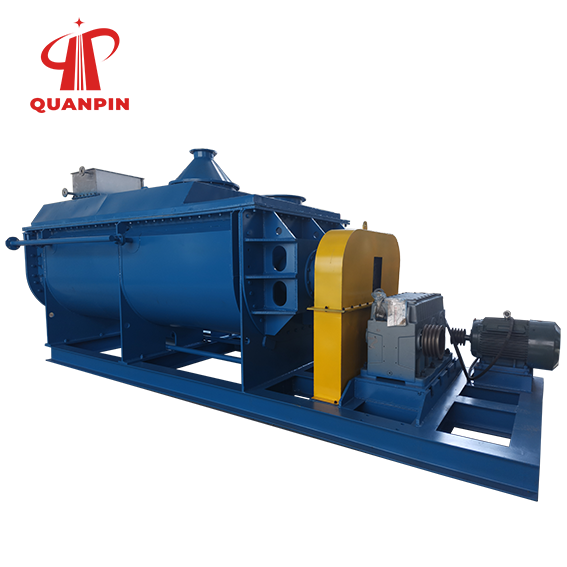
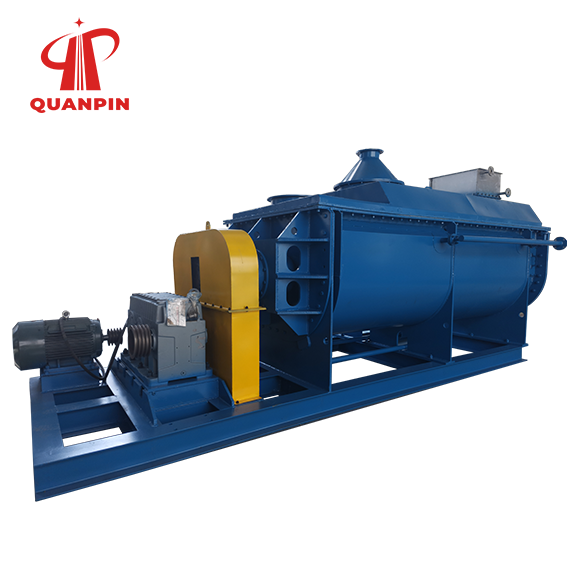
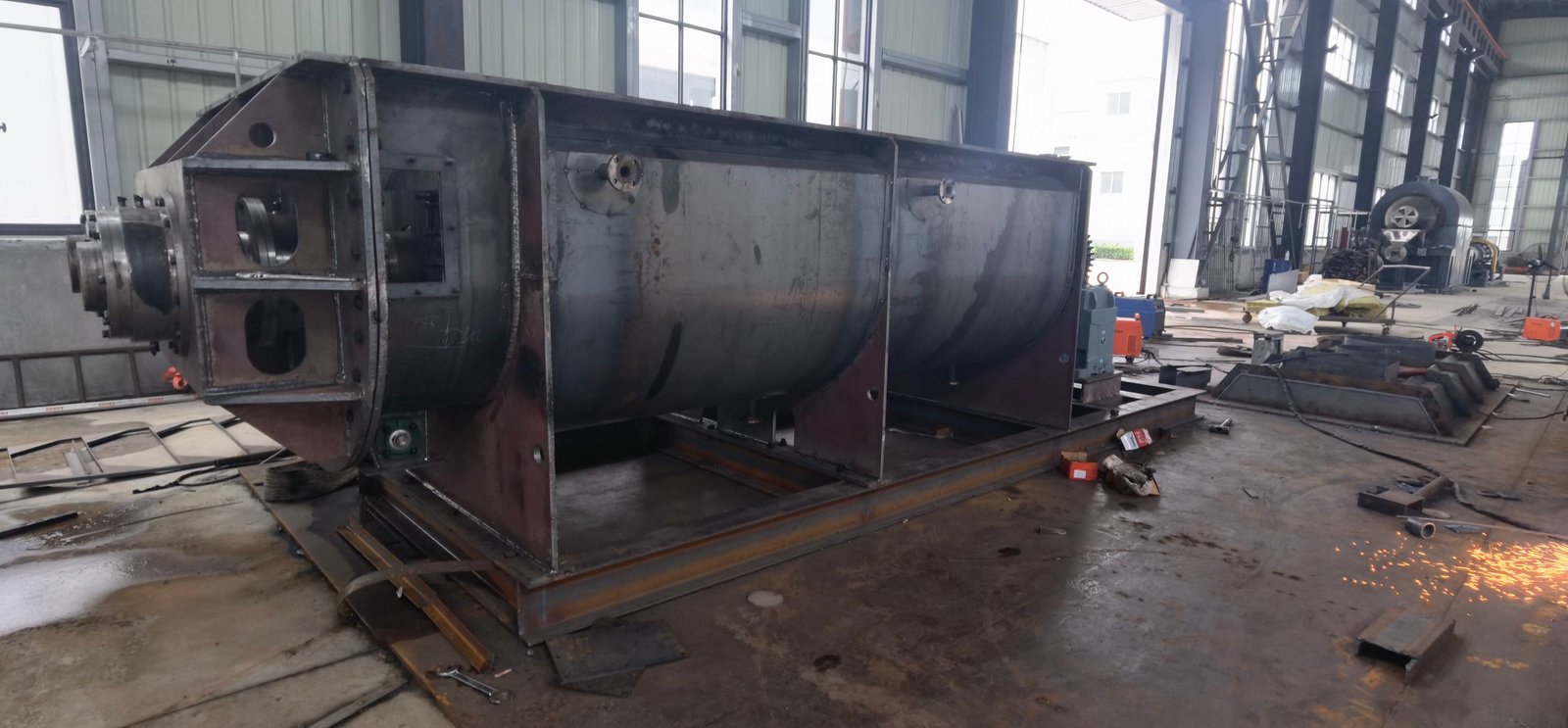
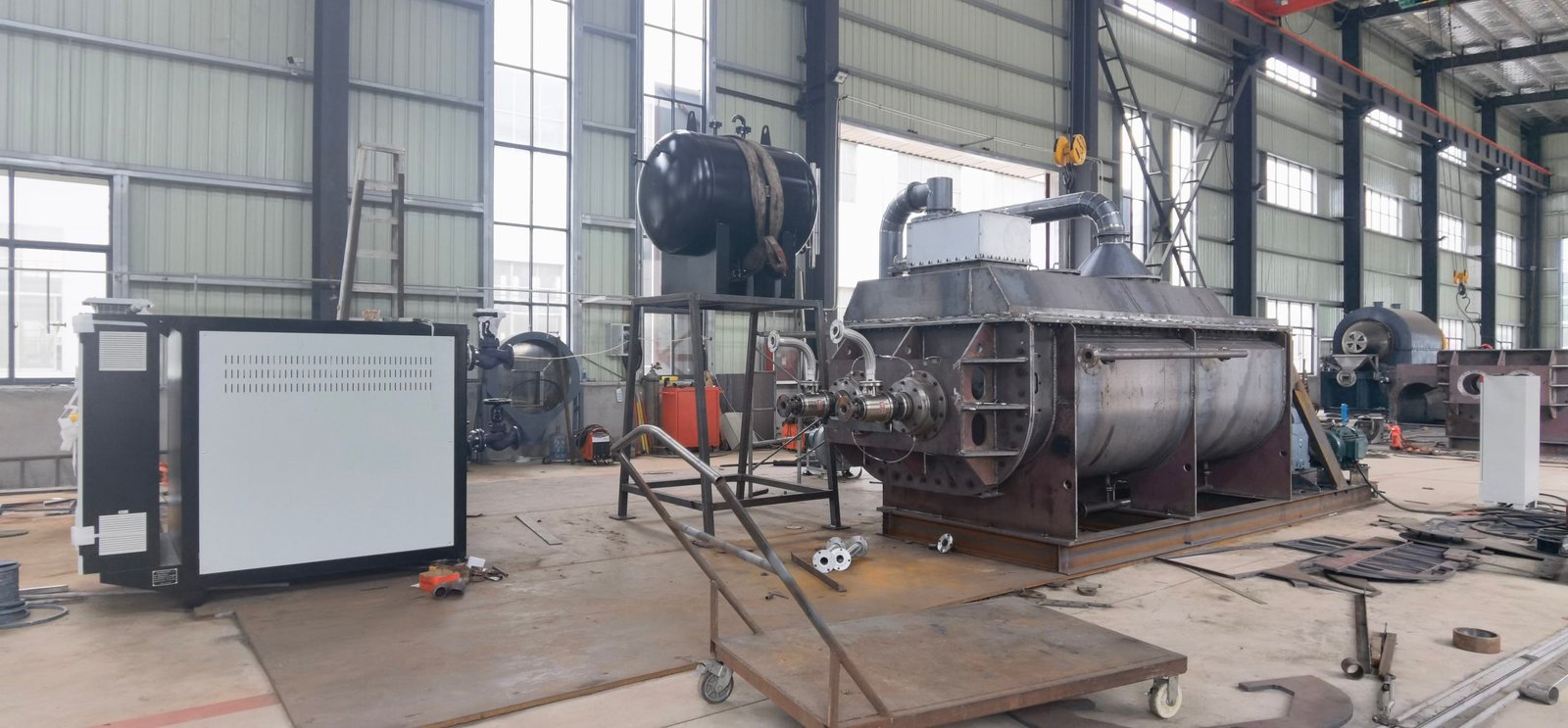
QUANPIN Paddle Dryers
Paddle drying combines material agitation with heat transfer through heated surfaces. Equipment selection depends on feed consistency, moisture removal, product requirements and the intended operating mode.
QUANPIN reviews the material, available utilities and installation requirements to define the appropriate equipment configuration.
Paddle Structure & Heat Transfer
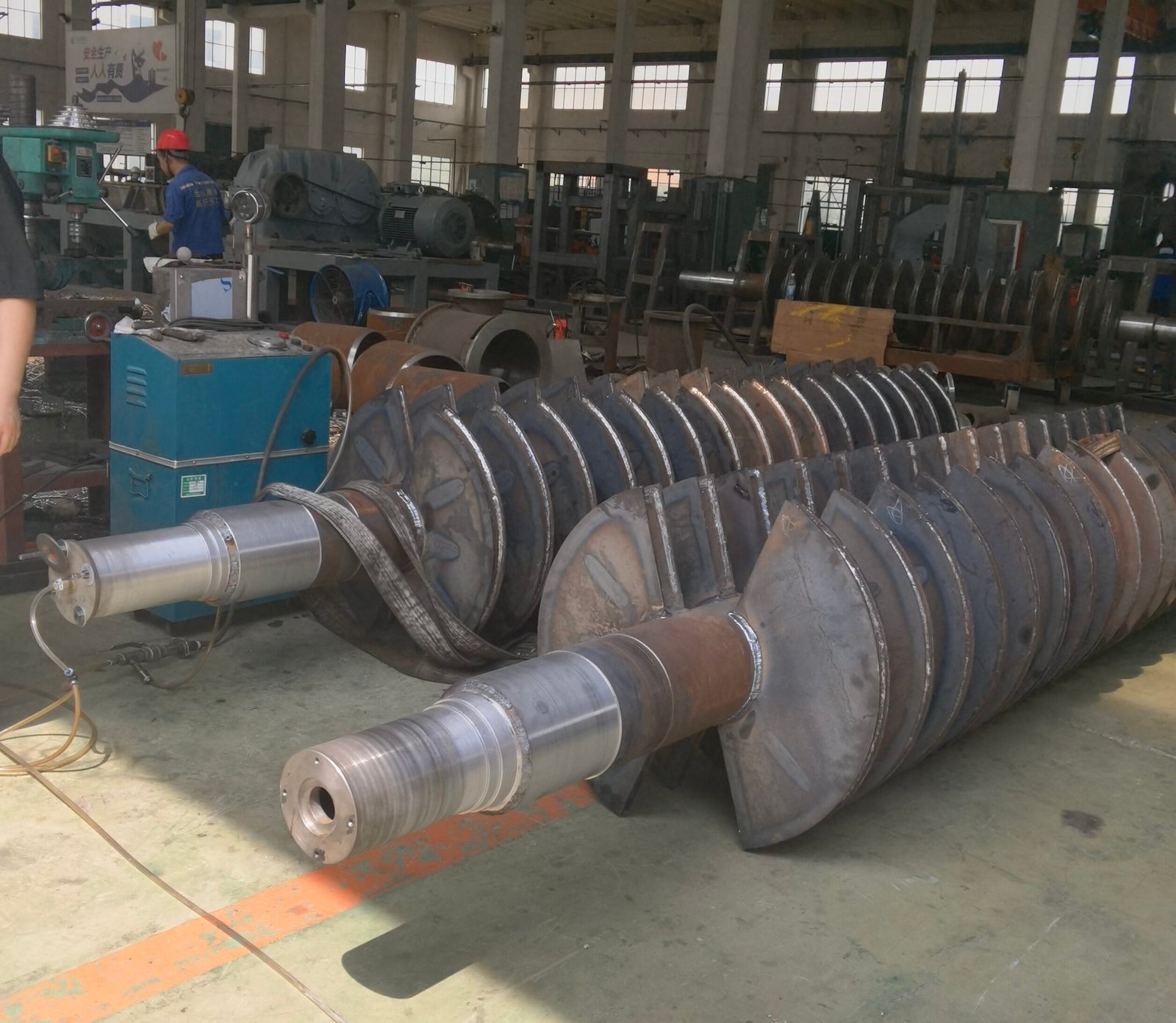
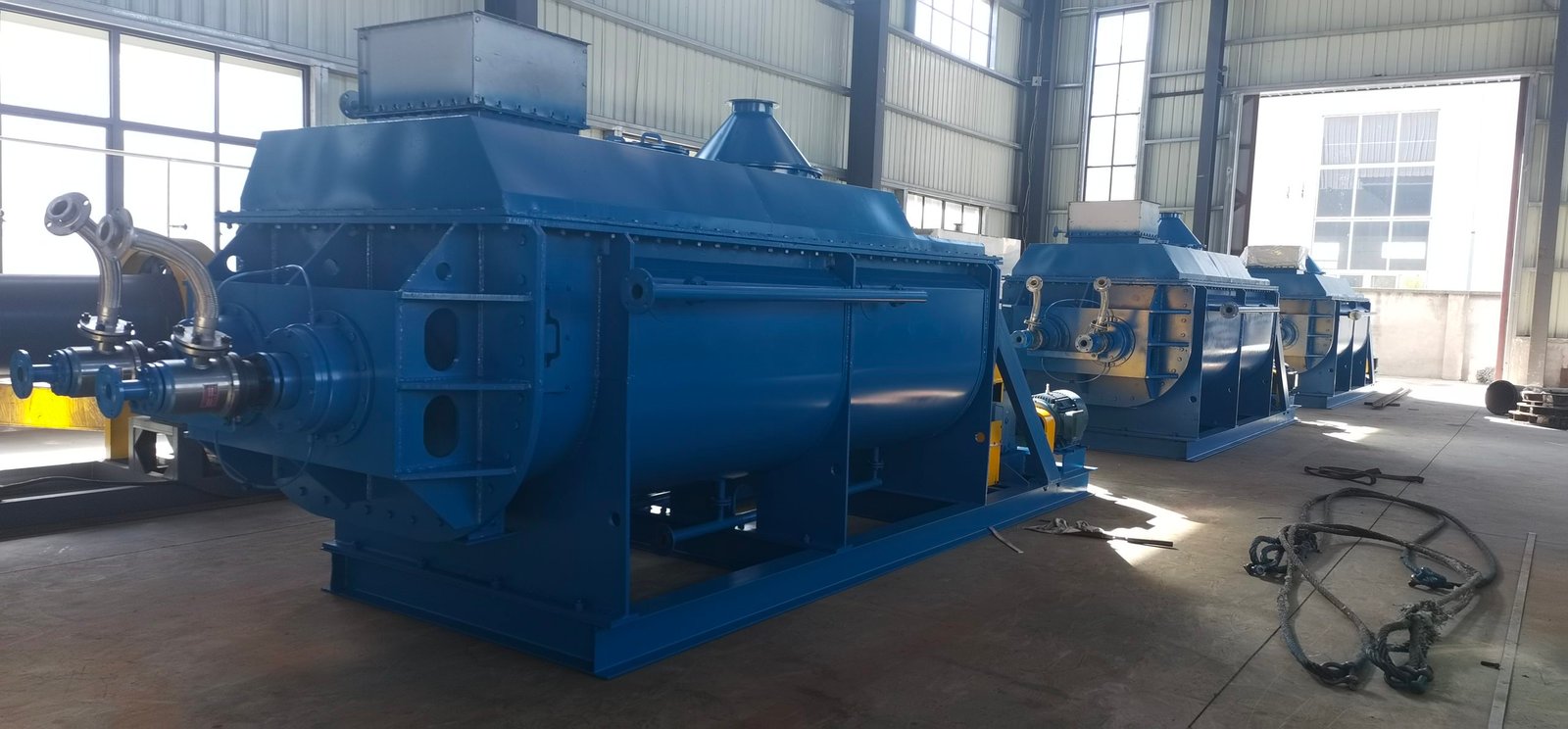
The paddle shafts move material through contact with heated surfaces. Jacket and shaft arrangements are selected for the process, together with the drive, seals and vapor handling.
This QUANPIN manufacturing photograph shows paddle shaft components. The final arrangement is specified for each equipment configuration.
What is a Paddle Dryer?
A paddle dryer uses rotating paddles to agitate material while heat is supplied through the selected heating arrangement. Indirect systems transfer heat through the jacket and hollow heated components rather than relying on a large drying-air stream.
How Does a Paddle Dryer Work?
Feed: Introduce material at the planned rate and consistency.
Agitate: The rotating shafts move and redistribute the material across heated surfaces.
Transfer heat: The heating medium supplies energy for moisture removal through the configured heat-transfer surfaces.
Handle vapor: Collect and treat the vapor according to the material and installation requirements.
Discharge: Remove product under the specified process conditions for downstream handling.
Paddle Dryer Configuration
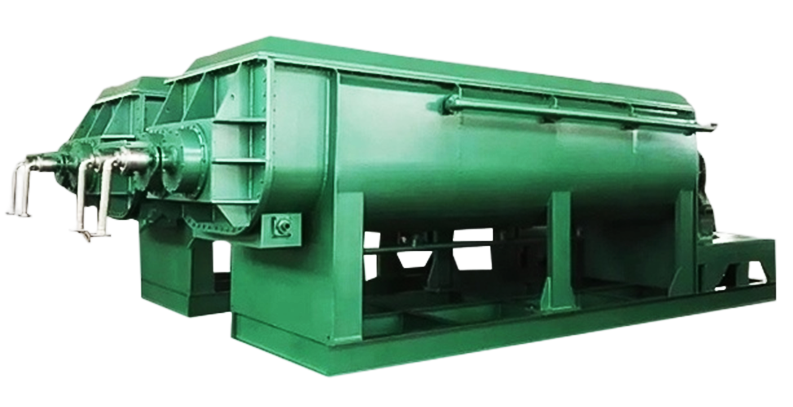
Hollow Paddle Heating
Discuss jacket and shaft heating for the required moisture-removal duty.
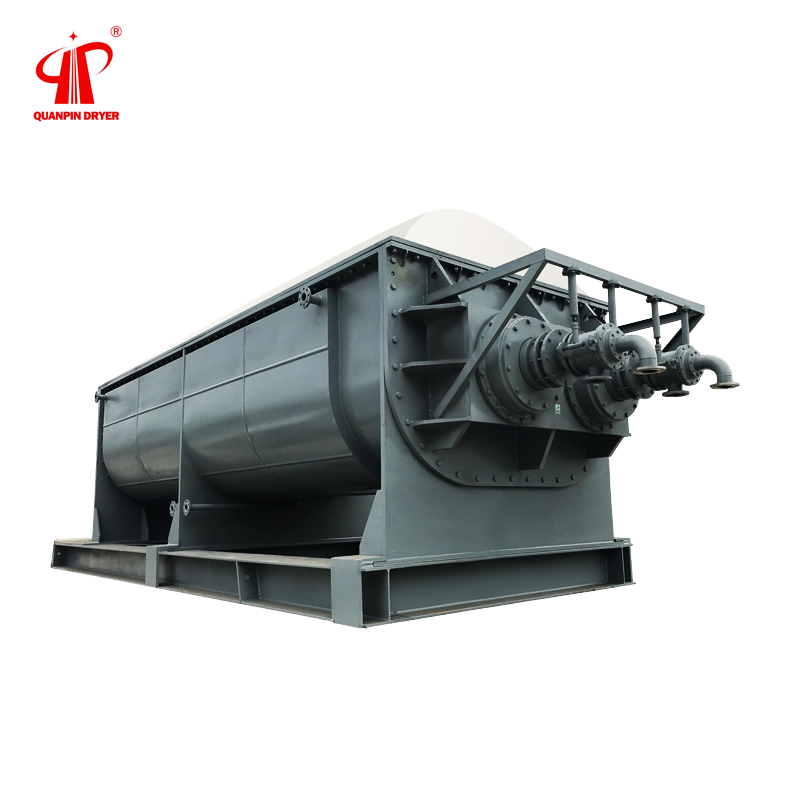
Operating Pressure
Review whether the process requires atmospheric or vacuum operation.
Product-contact Construction
Specify contact materials and cleaning requirements.
Drive and Controls
Define the required operating sequence and monitoring points.
Paddle Dryer Solutions by Application
Sludge Processing
Provide solids content, handling behavior and the desired final condition.
Chemical Materials
Identify composition and contact-material compatibility.
Food Ingredients
Review product temperature limits and cleaning requirements.
Temperature-sensitive Products
Discuss the material’s thermal limits and required operating conditions.
Wet Powders and Pastes
Assess feed consistency and behavior during drying.
Detergent Materials
Provide the formulation and finished-product handling requirements.
Project Support for Your Paddle Dryer
Material Review
Share feed properties and the finished-product target.
Equipment Selection
Review the proposed process and equipment scope.
Installation Planning
Confirm layout, utility connections and access.
Operation and Maintenance
Agree the operating information and maintenance documentation.
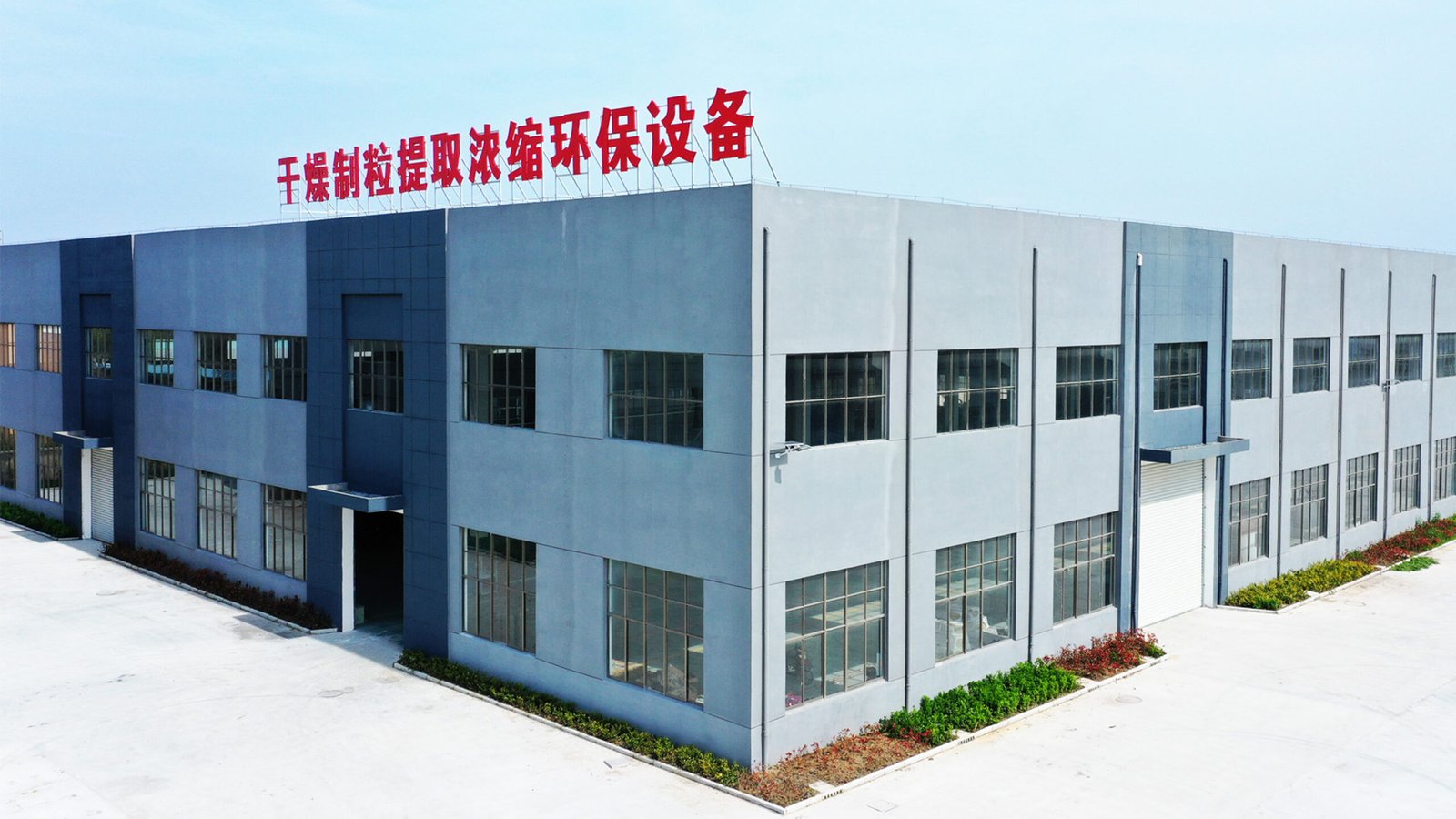
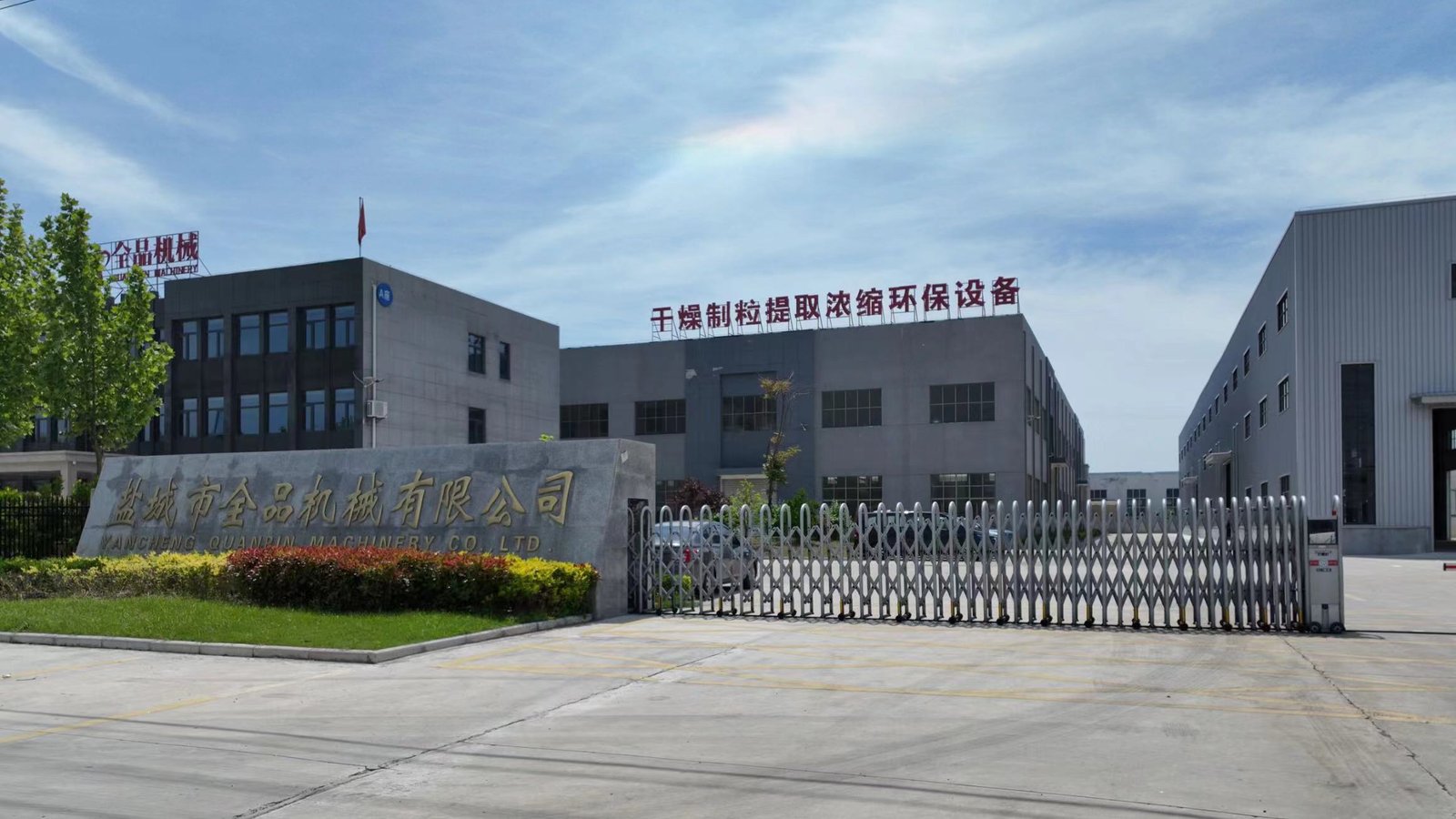
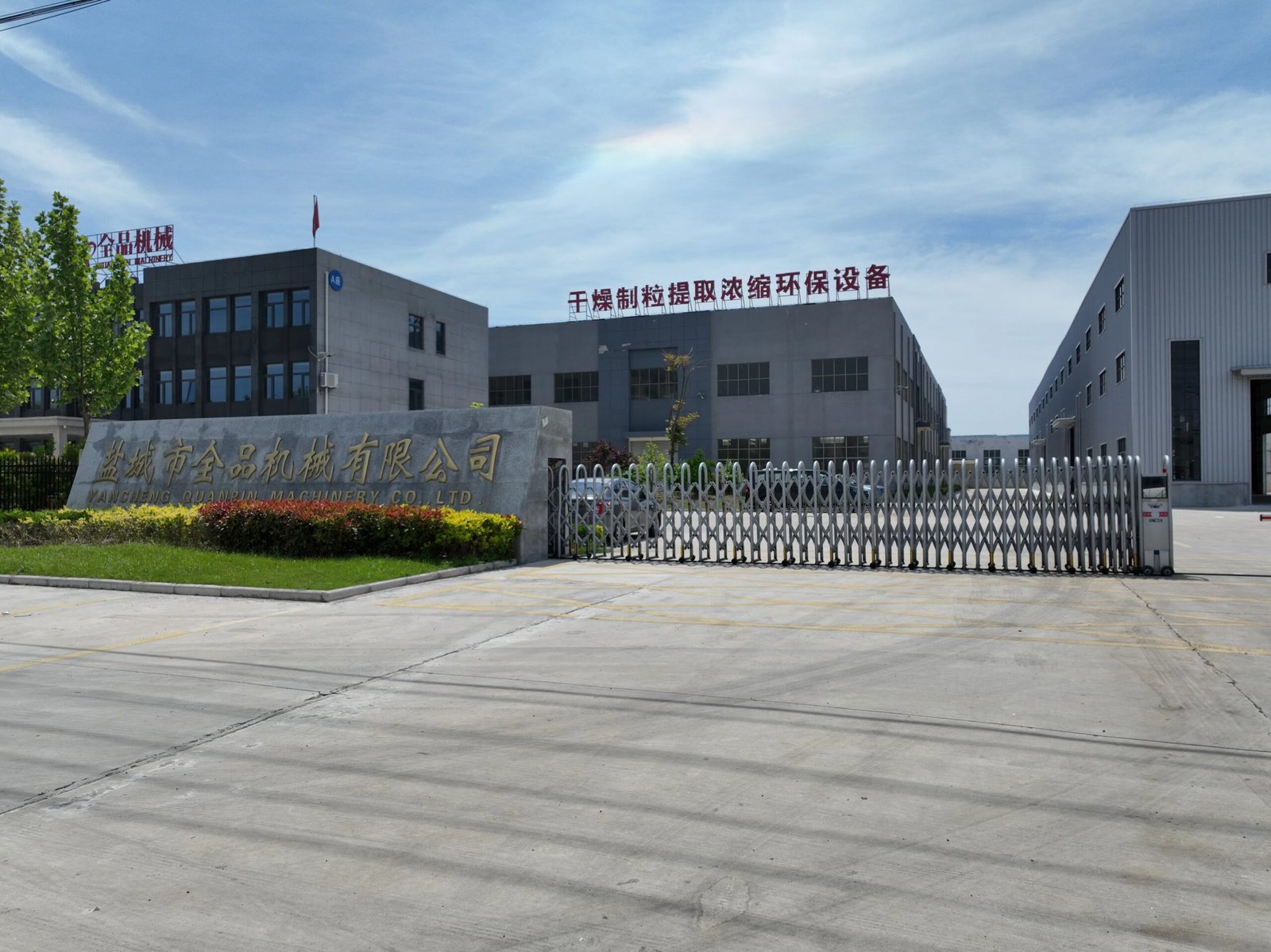
QUANPIN Manufacturing
Applications by Material Type
Suitability depends on the actual feed, moisture target and required product properties. Representative material information is essential before selecting the equipment.
Components of a Paddle Dryer
The equipment brings together the vessel, paddle shafts, drive, heating connections, seals, feed and discharge arrangements and vapor handling.
Heat Transfer and Agitation
Heating surfaces supply energy while the rotating paddles move material. Loading and material behavior affect heat transfer.
Power and Heating Utilities
Review the available power and heating medium when defining the installation.
Sealing Structure
Seal selection depends on the process pressure, material and operating temperature.
Vapor Handling
The vapor collection and treatment arrangement should match the material and site requirements.
Feed and Discharge
Coordinate feeding and discharge with upstream preparation and downstream handling.
Types of Paddle Dryer
Operating mode, pressure and heating arrangement distinguish different configurations. Confirm these features in the equipment proposal.
Direct and Indirect Heating
Indirect configurations transfer heat through surfaces. Any direct-contact arrangement must be reviewed for the specific product.
Batch and Continuous Operation
The required production sequence and material behavior determine the appropriate operating mode.
Vacuum Operation
Where reduced-pressure drying is required, specify the pressure conditions and vapor load for system selection.
Selection Considerations
Compare the complete process against moisture removal, product quality and maintenance requirements.
Temperature-sensitive Materials
Provide the product temperature limit and any relevant test information.
Operating Costs
Consider heating, drive requirements, cleaning and routine maintenance alongside equipment cost.
Production Capacity
Capacity is established from the actual feed and moisture-removal duty, rather than a generic model claim.
Maintenance Access
Plan inspection and access to the drive, shafts, seals and discharge system.
Applications of Paddle Drying
Potential applications include suitable environmental, chemical and food materials, subject to material review.
Environmental Processing
Describe the solids content, final moisture target and downstream use of the dried material.
Chemical and Pharmaceutical Materials
Specify compatibility, documentation and cleaning requirements for the facility.
Food Processing
Review ingredient properties, hygiene requirements and the finished-product target.
Send Your Inquiry Now
Start Optimizing Your
Drying Process Today.
Our engineers are ready to assess your material and recommend a reliable, cost-effective drying solution.